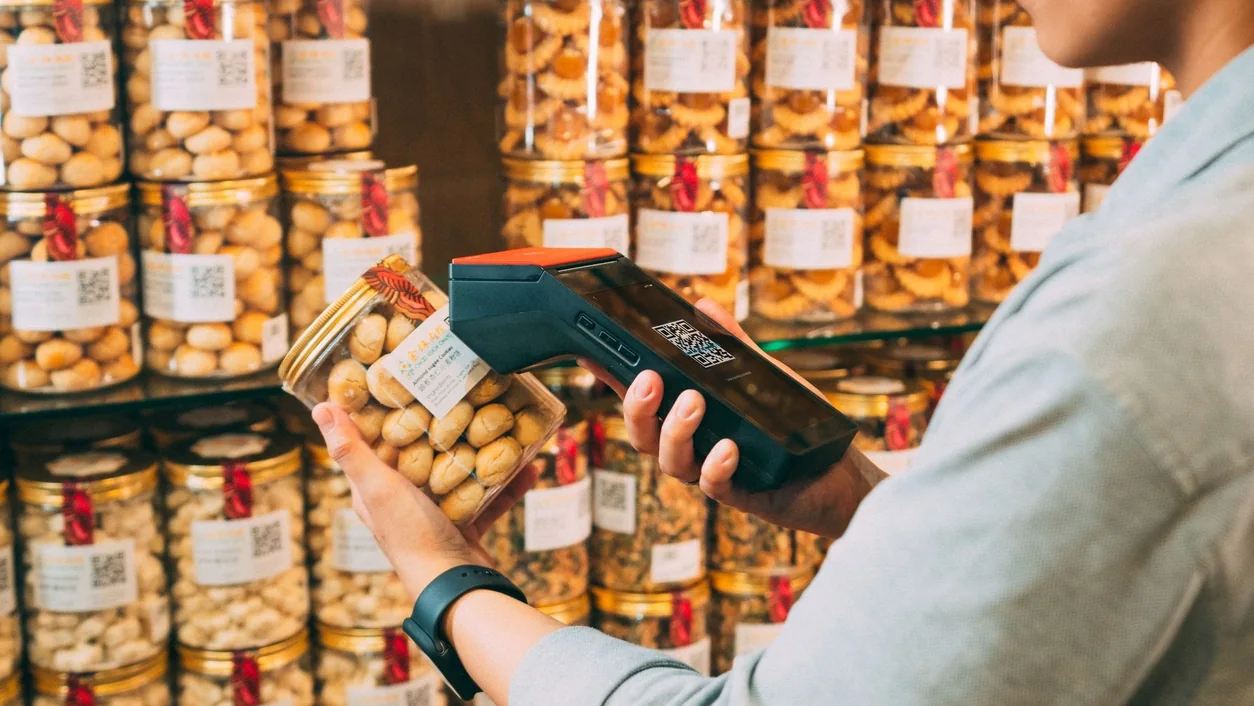
A practical routine for preparing your shelves, counting consistently and investigating differences.
Give every item a clear identity
A stock count is easier to trust when everyone is counting the same thing. A single bottle, a case and a mixed pack may belong to the same product family, but they are different units. Write down the unit you intend to count before the team starts.
Start with one small area. Check that each shelf label matches the product, barcode and pack size in your catalog. Set aside damaged goods, returns awaiting inspection and supplier deliveries that have not been received.
- Choose a count area and a named owner.
- Define the counting unit for cases and individual items.
- Separate stock that is not available for sale.
Control movement during the count
Choose a quiet period and agree how sales, transfers and deliveries will be recorded while counting is underway. If the store stays open, give the team a way to mark movement rather than expecting them to remember it later.
Use a consistent order through the shelves and back room. Record a count once, then have a second person recheck unexpected differences without being told the expected number.
Investigate before adjusting
A difference is a question to answer. Check pack conversions, receiving records, duplicate product entries and stock that was moved to another location. Correct the cause as well as the count.
Keep the original count, the reason for any adjustment and the person who approved it. Those notes make the next count more useful and keep a one-off correction from becoming a recurring mystery.
Make the next count smaller
After a full count, choose a manageable cycle for high-turnover or frequently mismatched items. Review the same small set regularly and compare the reasons for differences. The useful outcome is a repeatable process the team can finish, not a spreadsheet nobody has time to maintain.