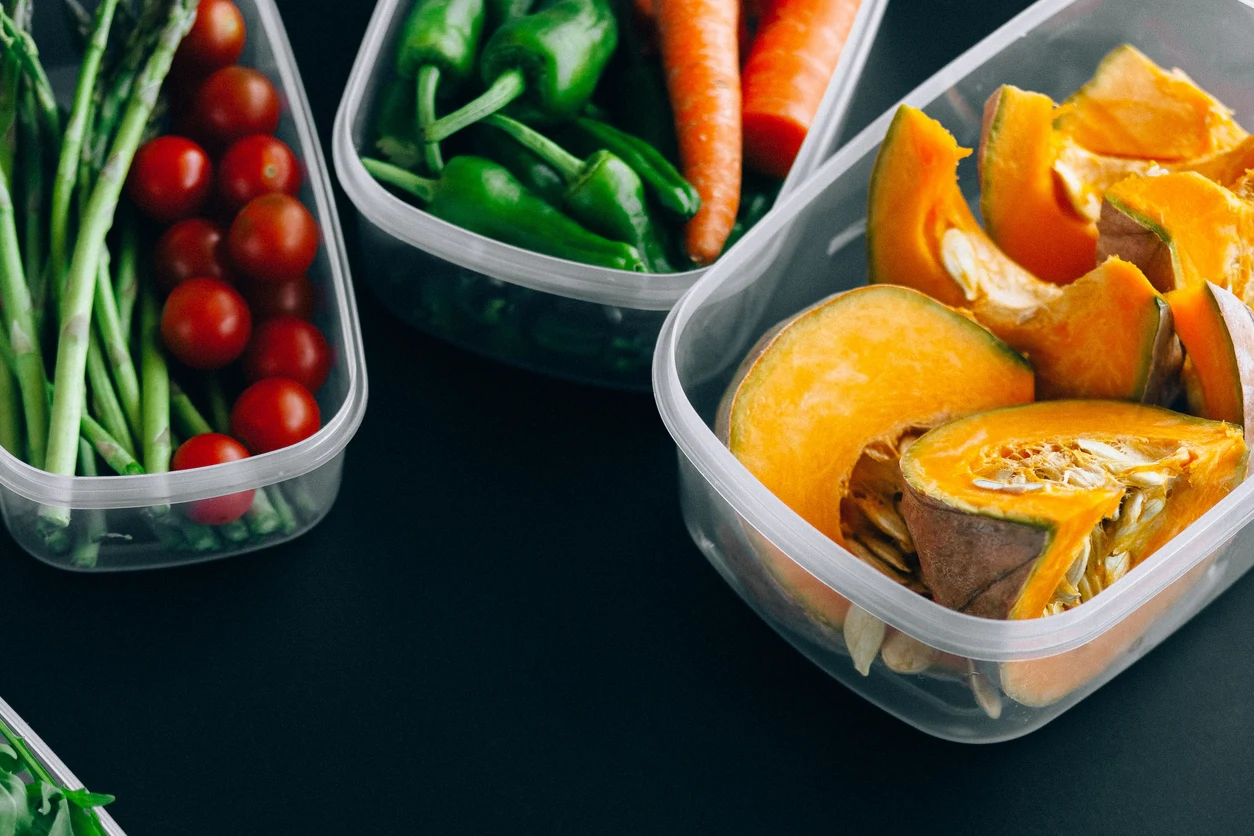
A supplier invoice shows what you bought. It does not, by itself, show the cost associated with a period’s sales. Bring the opening stock, purchases and closing count together before interpreting your restaurant’s COGS.
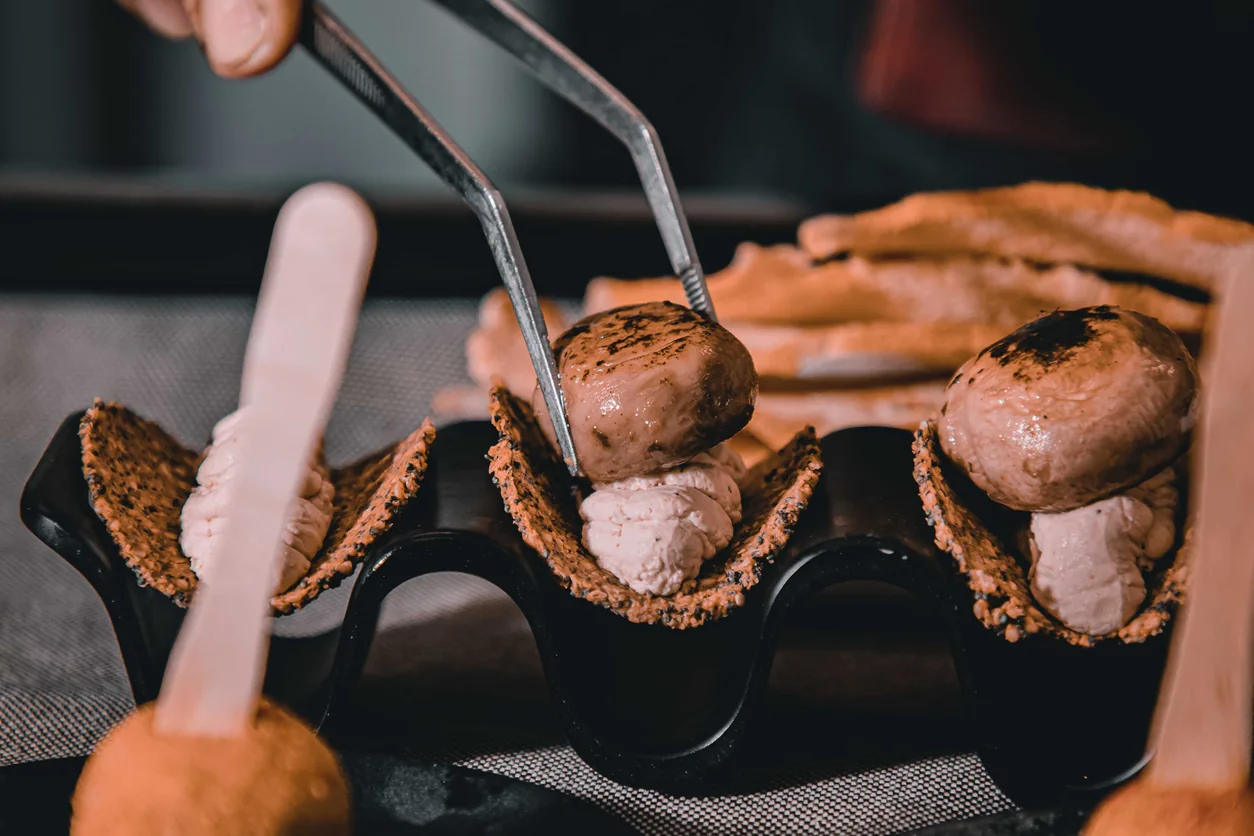
A good-looking dish also needs to be comfortable to eat and practical to repeat. Develop the presentation alongside the recipe, then test it on the plate, at the pass and on the way to the table.
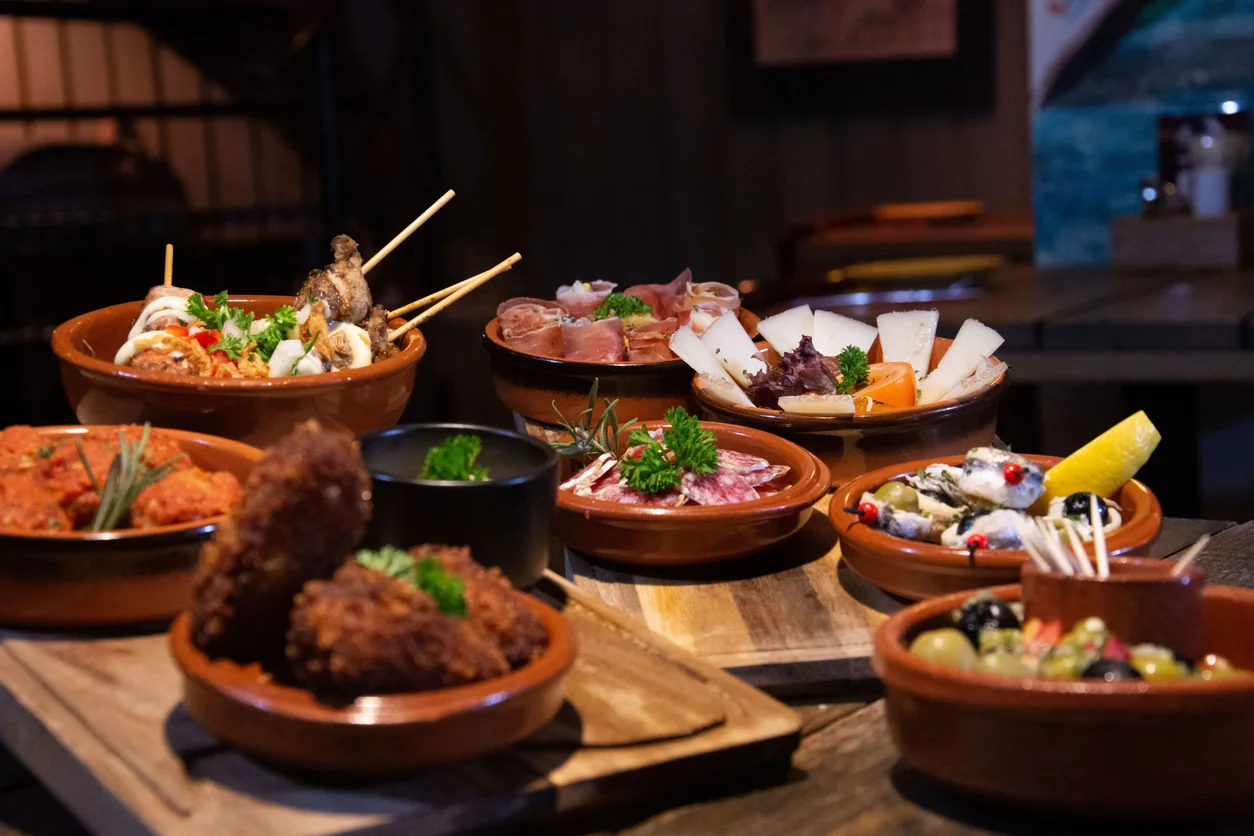
A smaller dish can be a useful choice when its purpose, portion and price are clear. Plan the recipe and service around that choice, then test how it works for guests and the kitchen before expanding the menu.
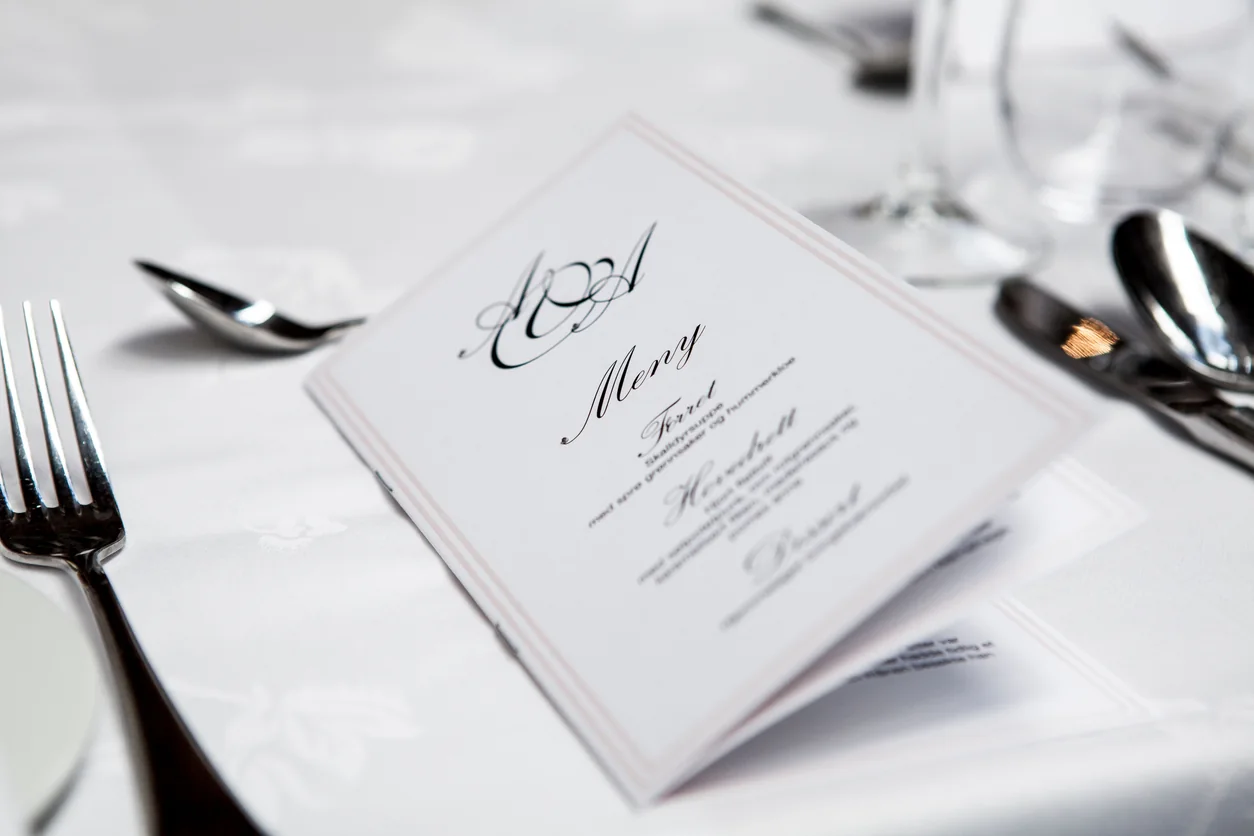
A considered menu helps a guest understand the food, the price and the next step. Build the information first, then give it a layout that works at the table, at the counter and on a phone.
Start with a consistent inventory count and a clearly defined sales period. Then use food cost percentage to find the questions worth asking about purchasing, portions and waste.
From a simple waste log to connected equipment, the useful tool is the one that helps the team find a cause and act on it. Start with a measurable problem, then compare the options.
A delivery menu still needs a kitchen, a team and a reliable handoff. Compare the operating models, follow one order through the room and understand the costs before adding a new brand.