A good-looking dish also needs to be comfortable to eat and practical to repeat. Develop the presentation alongside the recipe, then test it on the plate, at the pass and on the way to the table.
Start with the dish, then choose the presentation
Write down what the guest should taste and how they will eat it. Which elements belong in the same bite? What needs a spoon, a knife or a separate serving utensil? Use those answers to guide the layout before deciding how much decoration the plate needs.
The Institute of Culinary Education describes plating through texture, shape, composition and balance. Those are useful design questions, not a rule that every restaurant should use the same style. A generous bowl, a shared platter and a precise tasting-menu course can each express a coherent idea.
Choose tableware for the full journey
Try the actual portion on a few pieces of tableware you can reliably stock. Look at the usable center, the depth and the rim rather than judging by the outside diameter alone. Check whether the guest has enough space to cut, scoop and combine the components without pushing food off the edge.
Then consider the operation: storage, stacking, carrying, washing and replacement. Set the proposed plates on a fully laid table with glasses and shared dishes. A plate that looks impressive by itself may make a two-person table difficult to use once the rest of the meal arrives.
Give the eye a clear starting point
Decide which part of the dish should be noticed first. Place supporting components so their relationship is easy to understand, and leave enough space to see the shape of the food. Test a few arrangements with the same portion before adding more ingredients to fill a gap.
Use color and texture already present in the recipe. Compare the plate in daylight and under dining-room lighting; a dark sauce on a dark plate may read differently in the evening. Photograph each candidate from a seated guest’s angle so the team can discuss a real view of the dish.
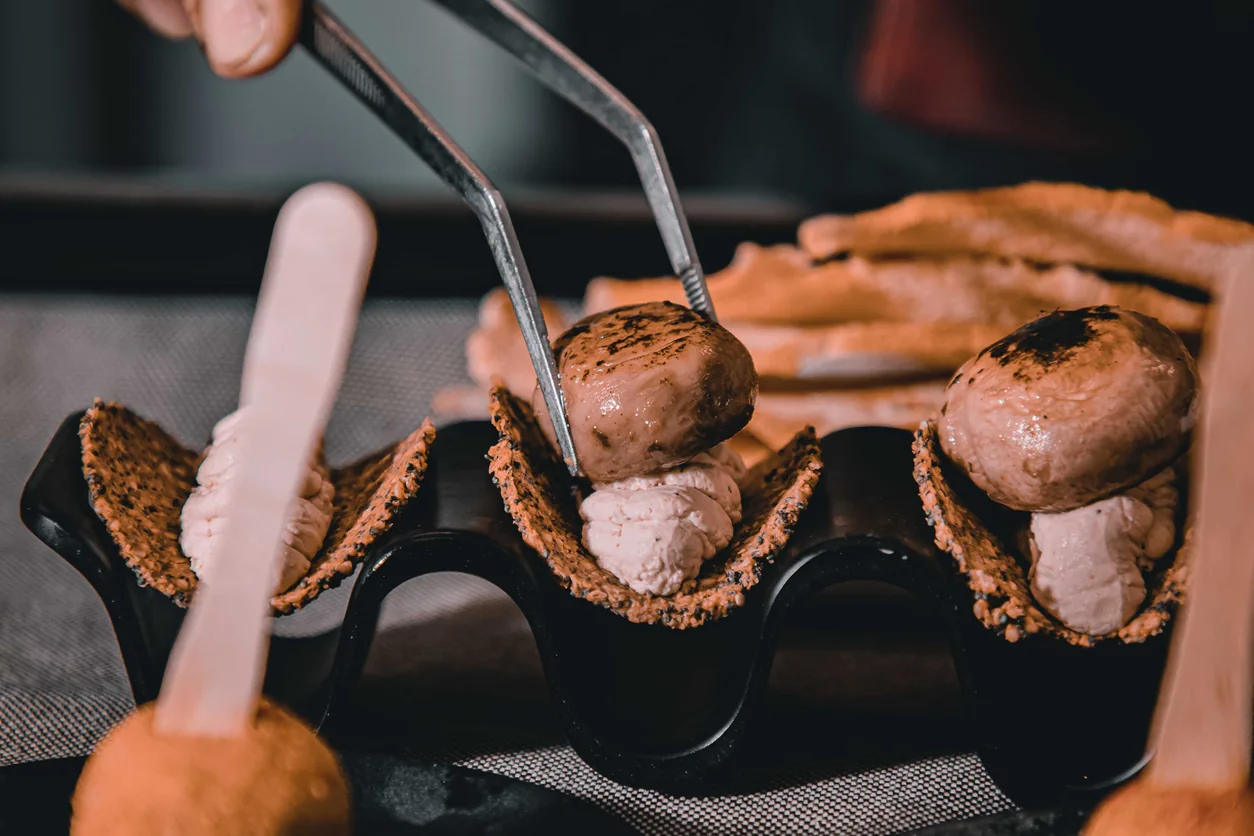
Height is one option, not an obligation. If the guest must dismantle a fragile tower before taking a bite, try a lower arrangement. Let the food and the service concept determine the shape, rather than treating a dramatic photograph as the only successful outcome.
Make every finishing element earn its place
Ask what each sauce, herb or garnish contributes to the meal. Keep it in the approved recipe and include it in the team’s ingredient information. A finishing flourish should not quietly introduce something the guest was not told to expect.
Look at returned plates as well as finished ones. If a decorative element repeatedly comes back untouched, discuss its purpose with the chef. EPA’s food-waste guidance includes avoiding garnishes that will not be eaten. The useful question is whether that element improves this dish, not whether it fills an empty corner.
Write a plating card someone else can follow
Once the recipe and layout are approved, document the plate, portion, component positions and final checks. Add one clear photograph of the actual finished dish. Keep the card close to the workstation in a format that can be maintained during service.
Ask another trained team member to recreate the dish from the card. Their questions reveal where your instructions rely on memory. The fictional example below shows the level of detail to discuss; quantities and ingredient information need to come from your own approved recipe.
| Detail | Record on the card | Check in practice |
|---|---|---|
| Tableware | Named plate or bowl | The team can identify the correct piece |
| Portion | Approved quantity of each component | The same serving tool gives a repeatable result |
| Arrangement | Photo and short assembly sequence | Another cook can reproduce the layout |
| Finish | Sauce and garnish from the recipe | No undocumented additions appear |
| Final check | Condition and presentation at the pass | The dish matches the current card |
Rehearse the busiest realistic service
Build several plates in the order the kitchen would actually receive them. Observe how many people need the same space or tool, where finished dishes wait and which finishing step becomes difficult when multiple orders arrive together.
Carry the plate along the real route to the table and inspect it again. For takeaway, use the actual packaging and open it after a representative journey. Adjust the assembly if the presentation shifts or becomes awkward to eat. Keep the restaurant’s established food-handling procedures in place throughout the rehearsal.
Show the dish guests will actually receive
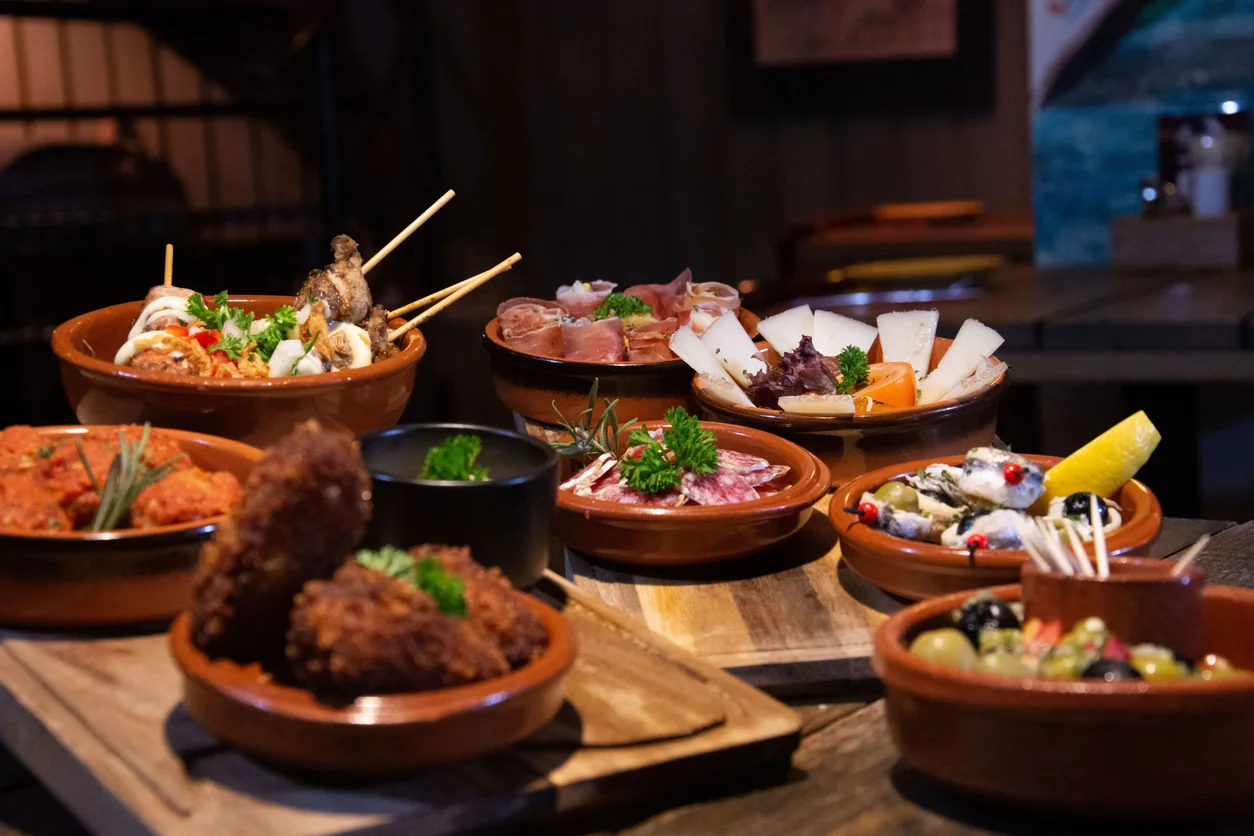
Use current photographs of your real recipe and portion on selling menus and ordering pages. Keep the serving vessel and main components consistent with the available dish. Editorial stock photography, including the image in this article, illustrates a topic and should not be presented as your own menu item.
When the recipe changes, review the description, ingredient information, plating card and photograph together. Give the team the replacement version before it reaches the dining room. A presentation standard is useful only while it describes the meal being served today.
Frequently asked questions
Does premium presentation require expensive tableware?
No. Start with a coherent dish, suitable tableware and consistent execution. Evaluate cost, durability and replacement availability alongside appearance.
Should takeaway food use the same arrangement as dine-in food?
Keep the dish and promised portion consistent, then test an arrangement suited to the packaging and journey. A layout designed for a flat plate may not travel well in a lidded container.
How often should a plating card change?
Review it when the recipe, portion, tableware or assembly changes. Date the approved version and remove outdated copies from the active workstation.