2026: The U.S. restaurant outlook
Put published U.S. restaurant research into context, then use a short worksheet to plan the questions for your next business review.
Read the briefPractical guides, checklists and worksheets to help you plan your next move.
WATCH AND LEARN · VIDEO
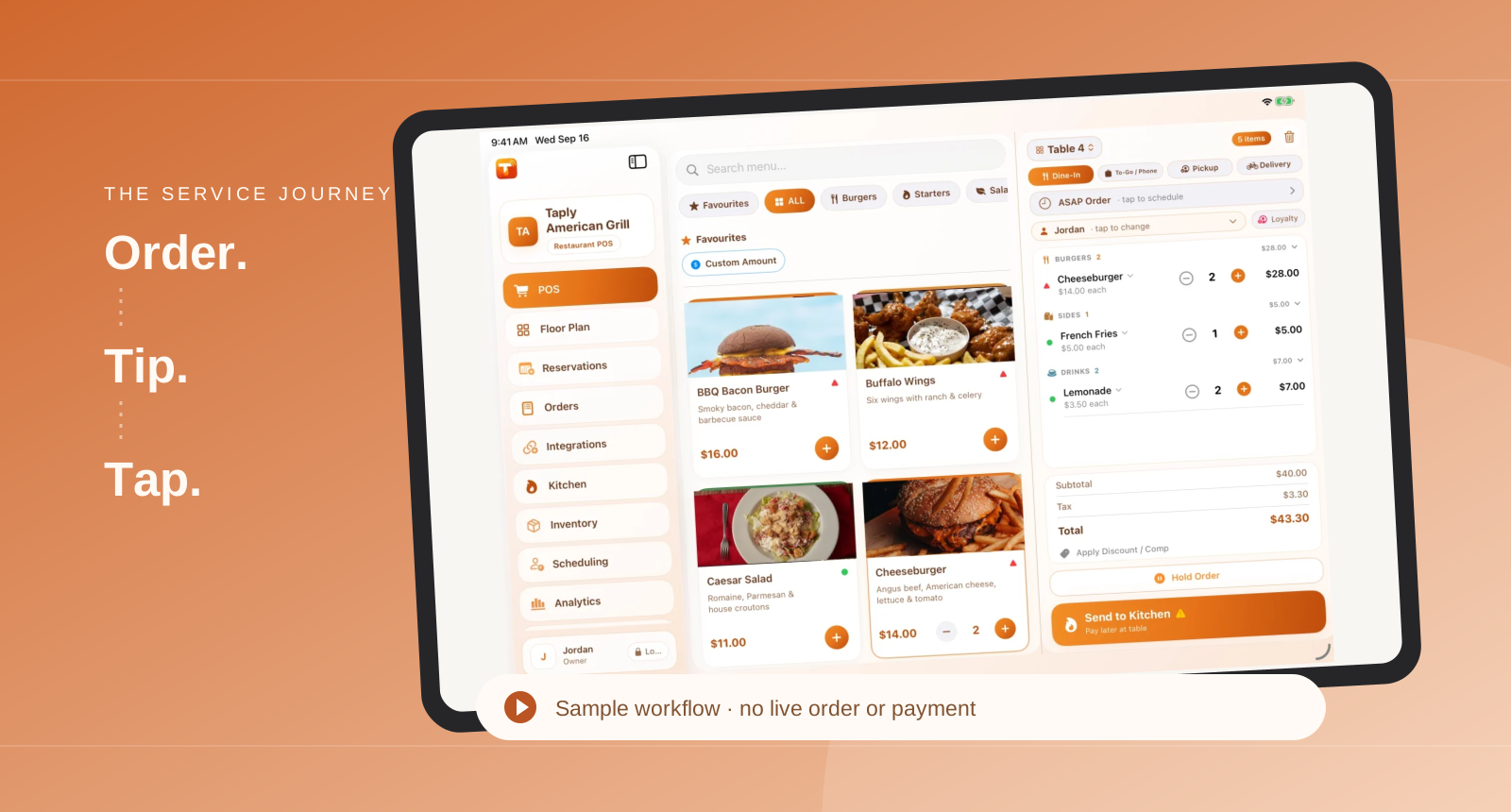
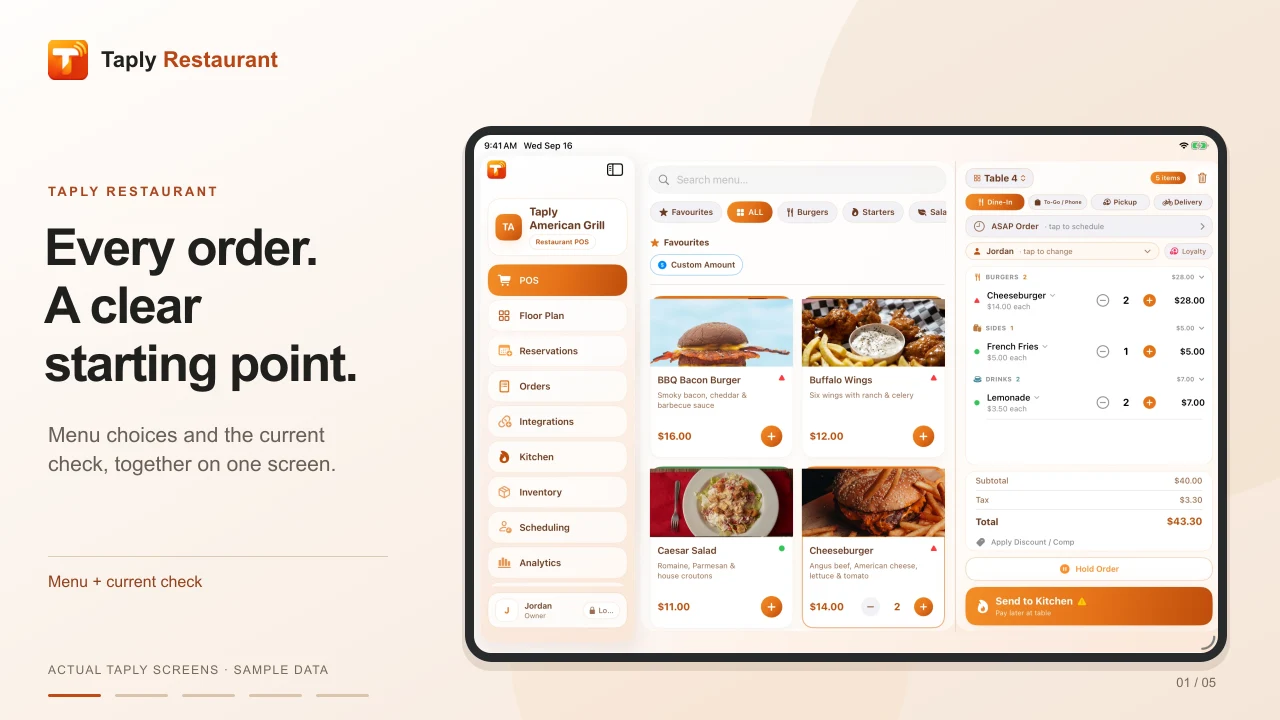
Take a 60-second visual tour of Taply Restaurant: the menu, the check, tables, the kitchen and the guest display.
Watch the service tourPut published U.S. restaurant research into context, then use a short worksheet to plan the questions for your next business review.
Read the briefCost a recipe ingredient by ingredient, account for usable yield and explore the menu price for your chosen ingredient margin.
Explore the calculatorFind a menu for your kind of service. Start with 22 editable designs, then make the words, prices and details your own.
Explore the templatesPut a new menu, weekend brunch or special evening in the spotlight. Seven editable flyers to make your own.
Explore the templatesShowing 4 of 11 tools, checklists and worksheets
Take a sample order, look at the guest’s side of checkout and bring better questions to your walkthrough. The Restaurant page now gives you a closer look at the service journey.
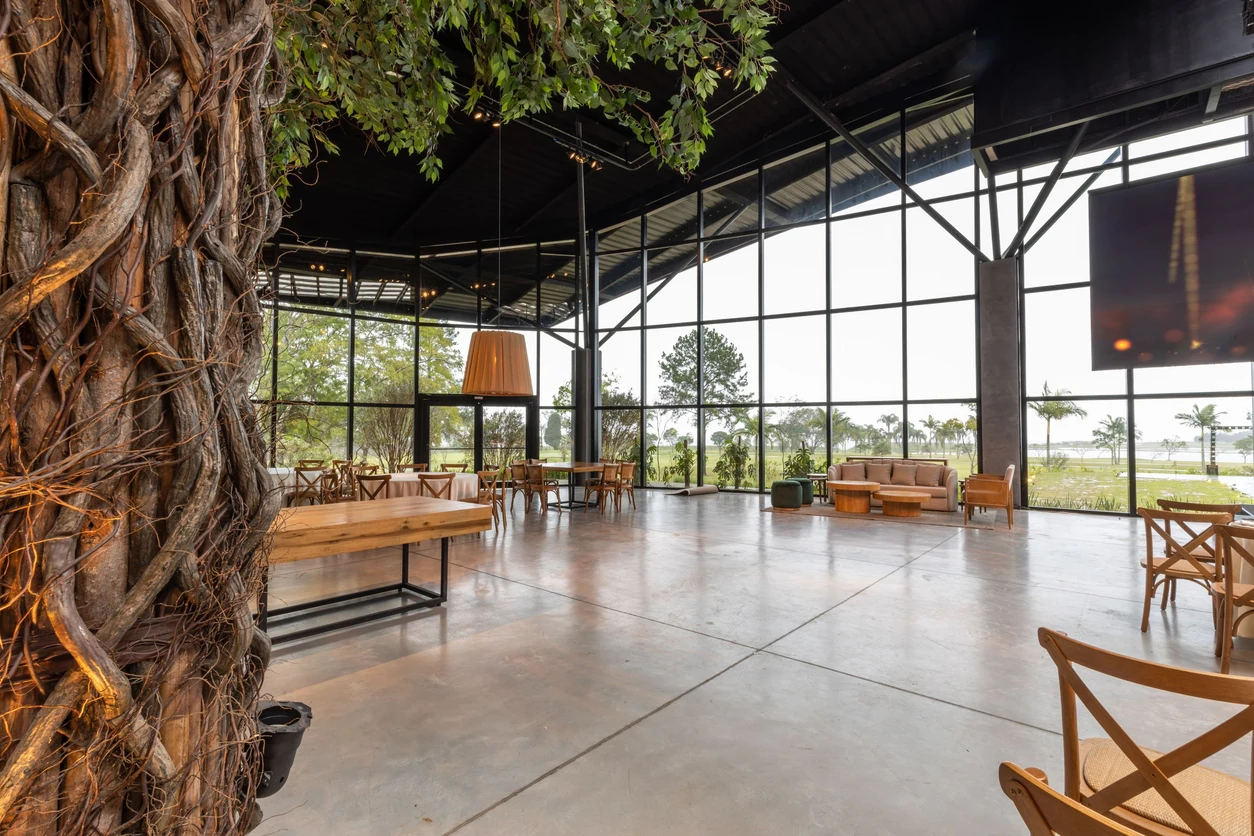
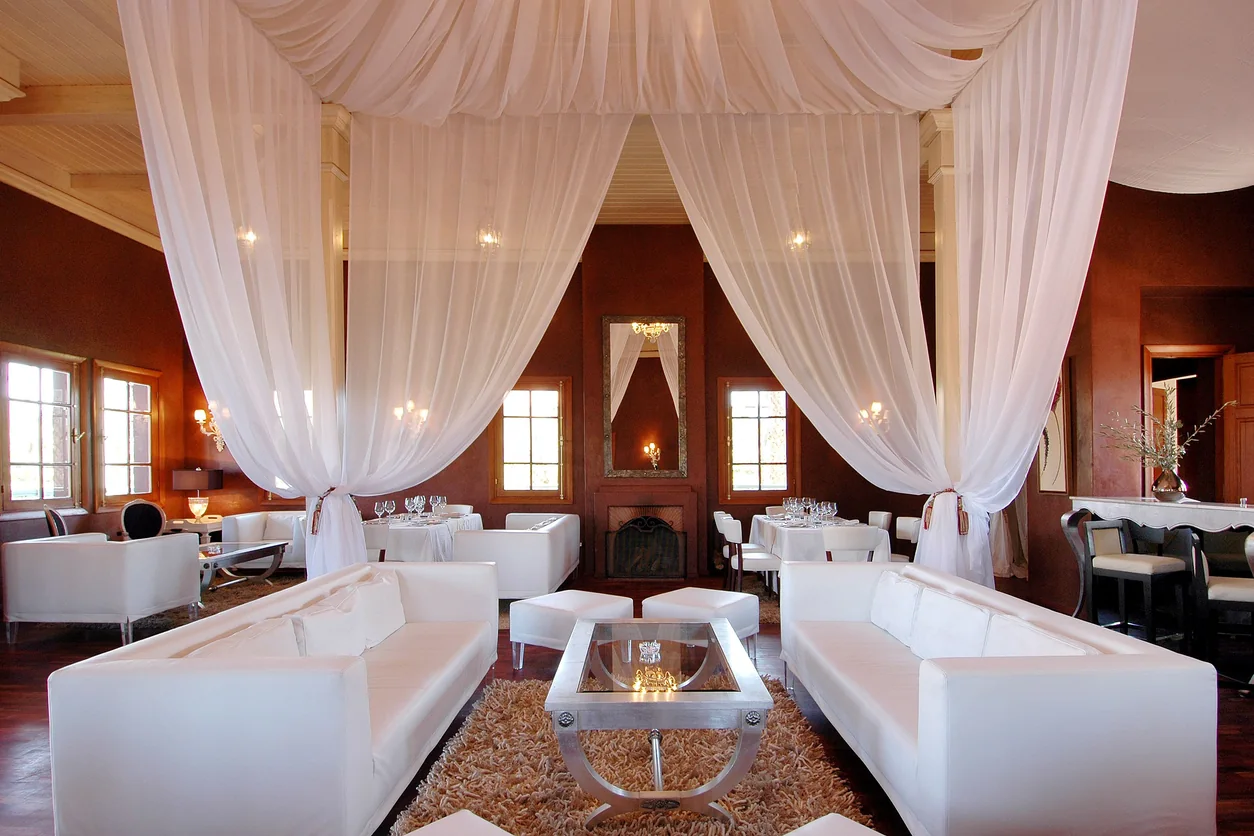
A beautiful room is only the beginning. Compare the location, working layout, full occupancy cost and lease responsibilities before choosing a space for your restaurant.
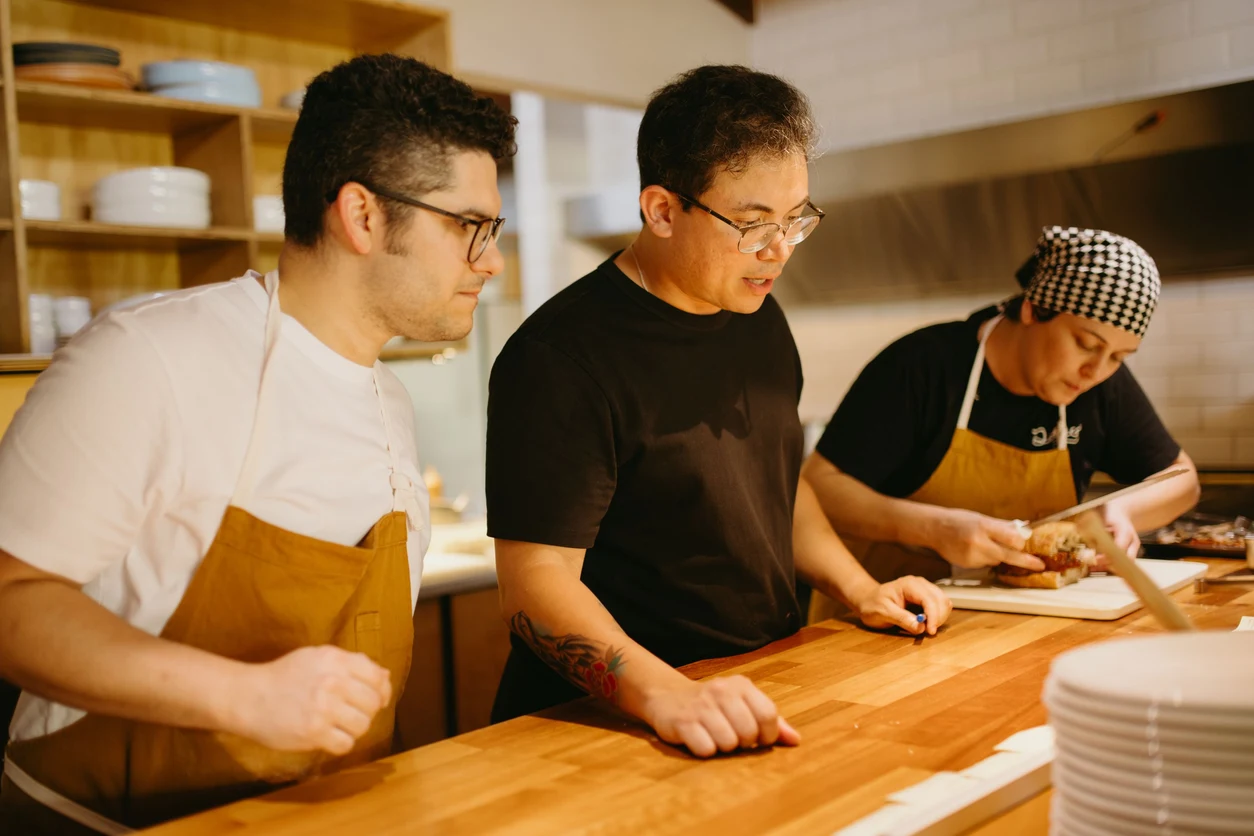
From the pass to the dining room, a short phrase works only when everyone understands it. Use this practical glossary to introduce common restaurant terms and agree how your own team uses them.
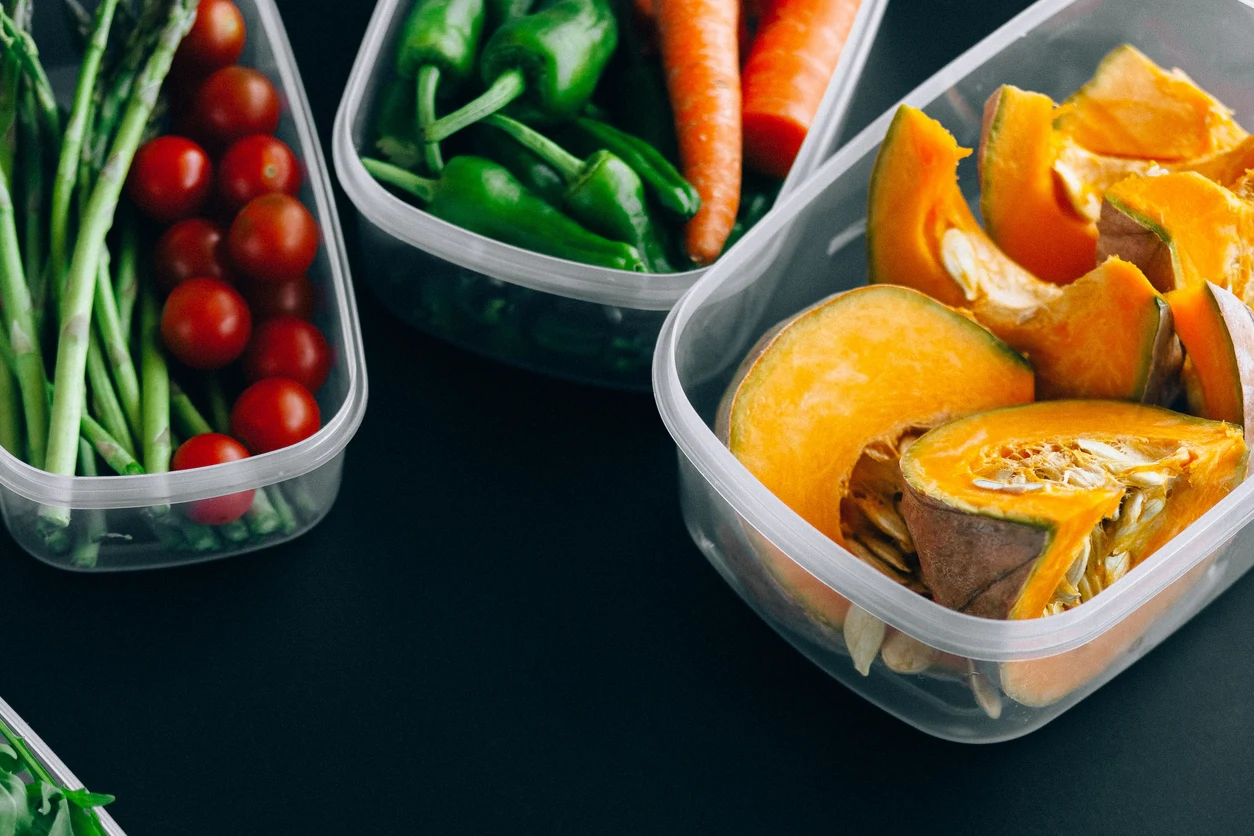
A supplier invoice shows what you bought. It does not, by itself, show the cost associated with a period’s sales. Bring the opening stock, purchases and closing count together before interpreting your restaurant’s COGS.
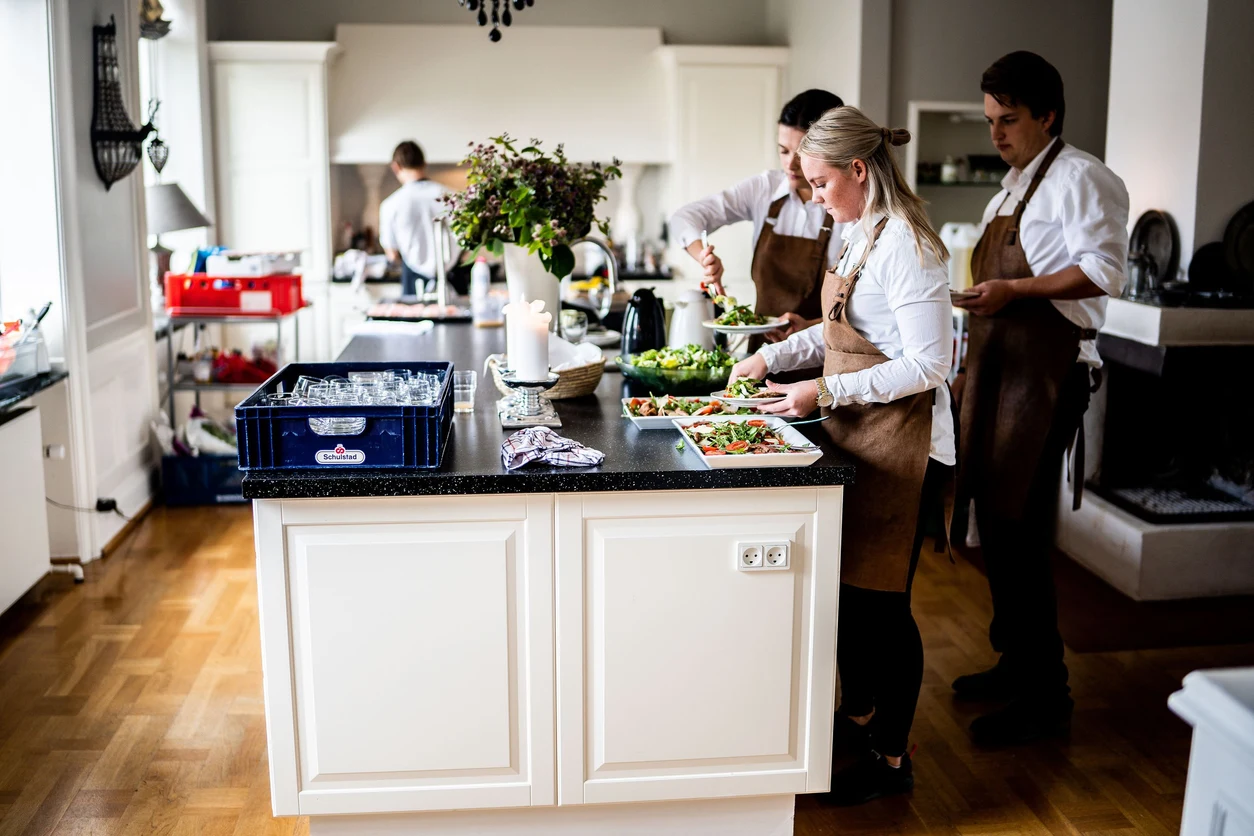
Extra help works best when the assignment is clear. Define the role, confirm the working arrangements and prepare a practical first shift so temporary team members can contribute with the right support.
A thoughtful meal is a sequence of small, well-handled moments. Walk the visit from the guest’s side, then give your team a clear way to handle the places where that experience can break down.
A good-looking dish also needs to be comfortable to eat and practical to repeat. Develop the presentation alongside the recipe, then test it on the plate, at the pass and on the way to the table.
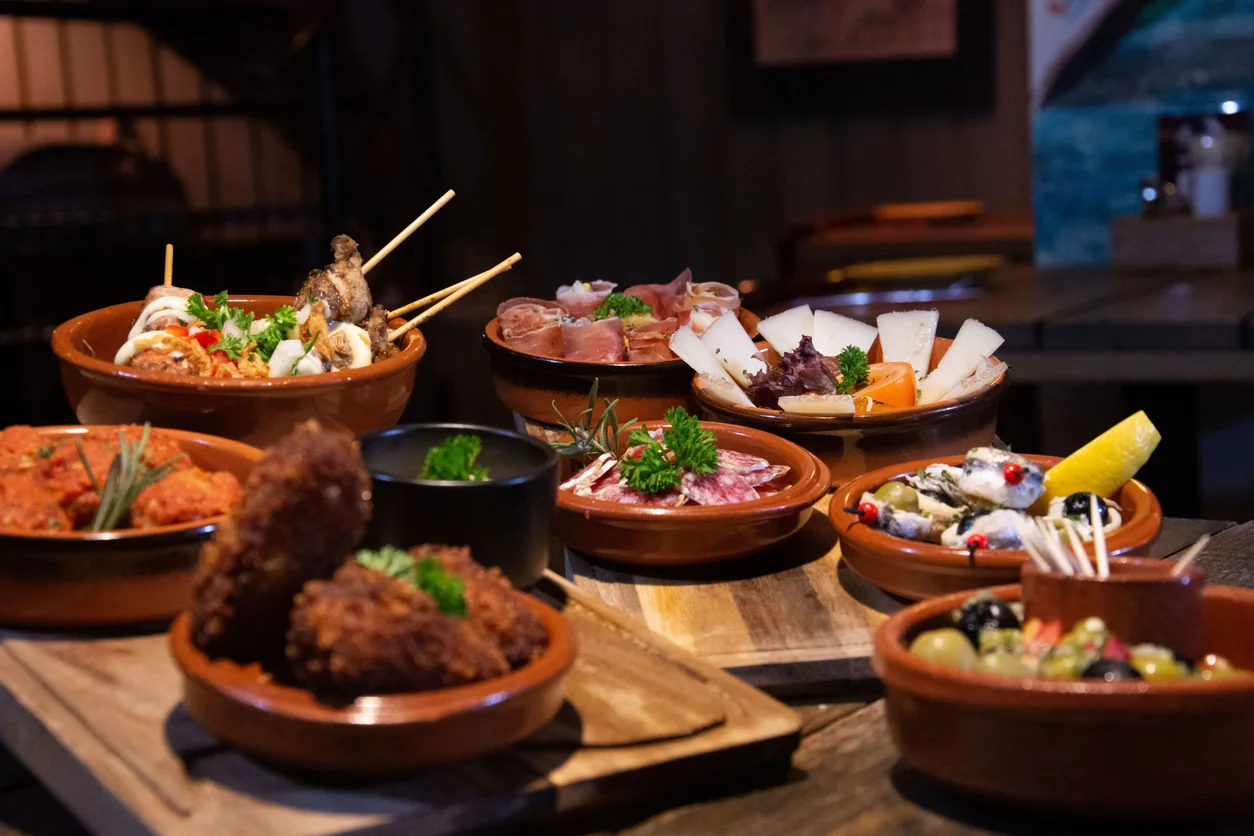
A smaller dish can be a useful choice when its purpose, portion and price are clear. Plan the recipe and service around that choice, then test how it works for guests and the kitchen before expanding the menu.
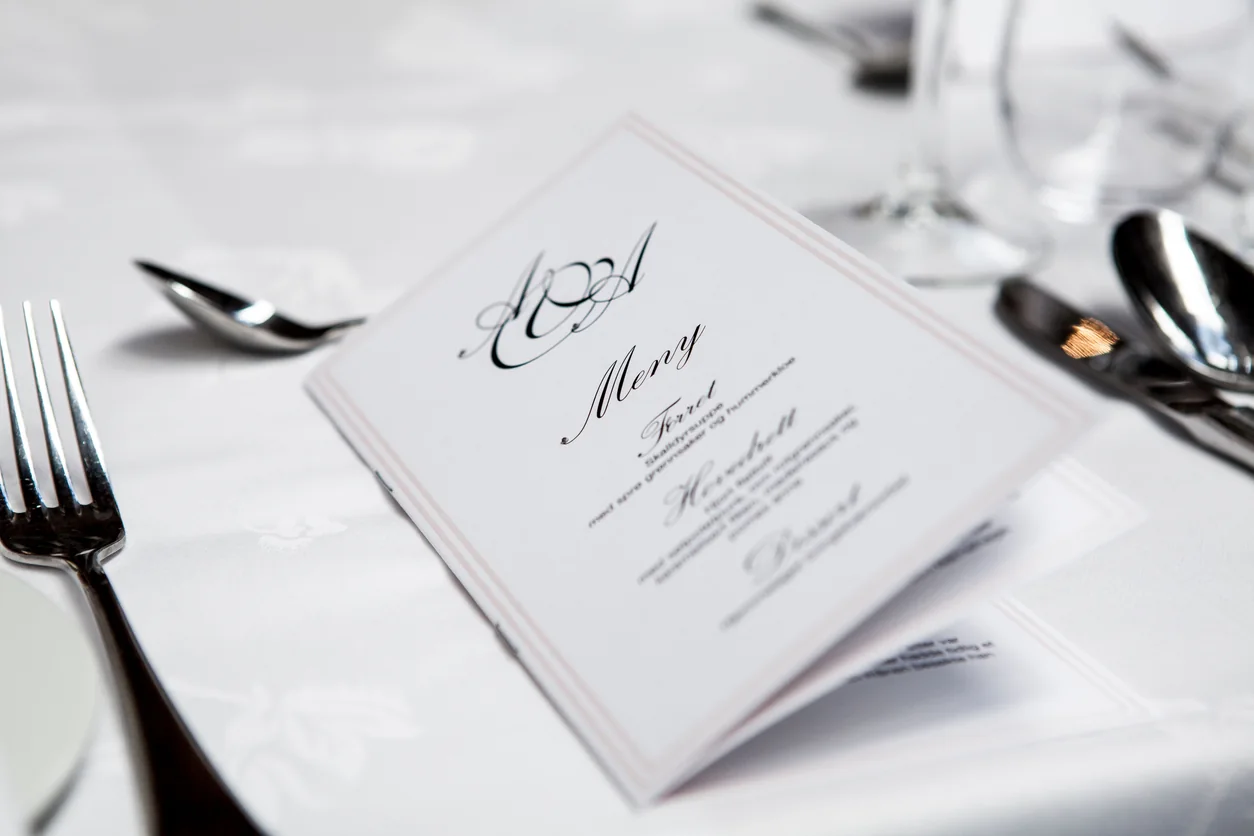
A considered menu helps a guest understand the food, the price and the next step. Build the information first, then give it a layout that works at the table, at the counter and on a phone.
A useful reply starts with understanding the visit. Give the guest a clear next step, give the team a specific issue to review, and keep the public conversation calm and accurate.
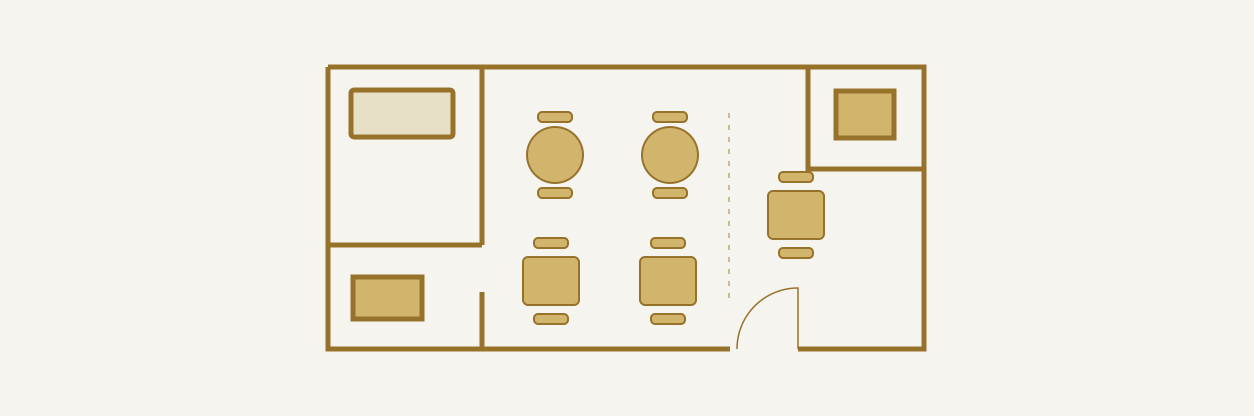
A good floor plan connects the guest’s arrival, the kitchen’s work and the team’s next move. Start with those journeys, then decide where the furniture belongs.
Start with a consistent inventory count and a clearly defined sales period. Then use food cost percentage to find the questions worth asking about purchasing, portions and waste.
Give every colleague a reliable place to find everyday answers. Build the handbook around real situations, with clear contacts, approved policies and a version the team can recognize.
Sales, gross profit, operating profit and cash tell different parts of the story. Use a clear definition and a worked example before deciding which number to improve.
A delivery menu still needs a kitchen, a team and a reliable handoff. Compare the operating models, follow one order through the room and understand the costs before adding a new brand.
The best arrangement depends on the work: receiving, storing, preparing, cooking, plating and cleaning. Compare five common layouts, then test the complete journey with your team.
Separate the money needed to open from the money needed to keep operating. Build the estimate from the actual premises, menu and agreements, then make the timing and uncertainty visible.
From a simple waste log to connected equipment, the useful tool is the one that helps the team find a cause and act on it. Start with a measurable problem, then compare the options.
Think about placement, station responsibilities and training before mounting the screen.
Bring the questions that matter to your business.
Request a walkthrough