A thoughtful meal is a sequence of small, well-handled moments. Walk the visit from the guest’s side, then give your team a clear way to handle the places where that experience can break down.
Define the visit you want to deliver
Start with the occasion your restaurant serves. Someone picking up lunch between meetings may value a clear pickup point and a dependable handoff. A group celebrating over dinner may want time to settle in and help choosing dishes to share. Write down the experience you intend to offer before setting a universal service target.
Choose a few observable standards. “Guests know where to go when they arrive” is easier to assess than “make every visit amazing.” Ask the host, kitchen and service team what each standard requires from them. Keep the promises specific enough that a new colleague can understand what good work looks like.
Make arrival feel straightforward
Walk in through the guest entrance before service. Look for the first useful instruction: where to check in, join a queue or collect an order. A sign hidden behind an open door is not doing its job. Check that menus, opening hours and booking instructions on the channels you maintain match the way the restaurant is operating today.
Agree who acknowledges a new arrival when the host is already helping someone. When there is a wait, explain what happens next and who will update the guest. Avoid a precise time promise that the team cannot support. A short, accurate explanation gives someone a decision they can make for themselves.
Help guests choose without making assumptions
Give people a moment to read the menu, then ask what would help them decide. Explain unfamiliar dish names, portion options and what is included. A useful recommendation connects to something the guest has said; it does not depend on guessing their budget, appetite or preferences from their appearance.
Make the price of an addition visible before the order is agreed. For ingredient questions or special requests, tell staff where to get a confirmed answer. If the team does not know, checking with the responsible person is better than improvising a confident explanation.
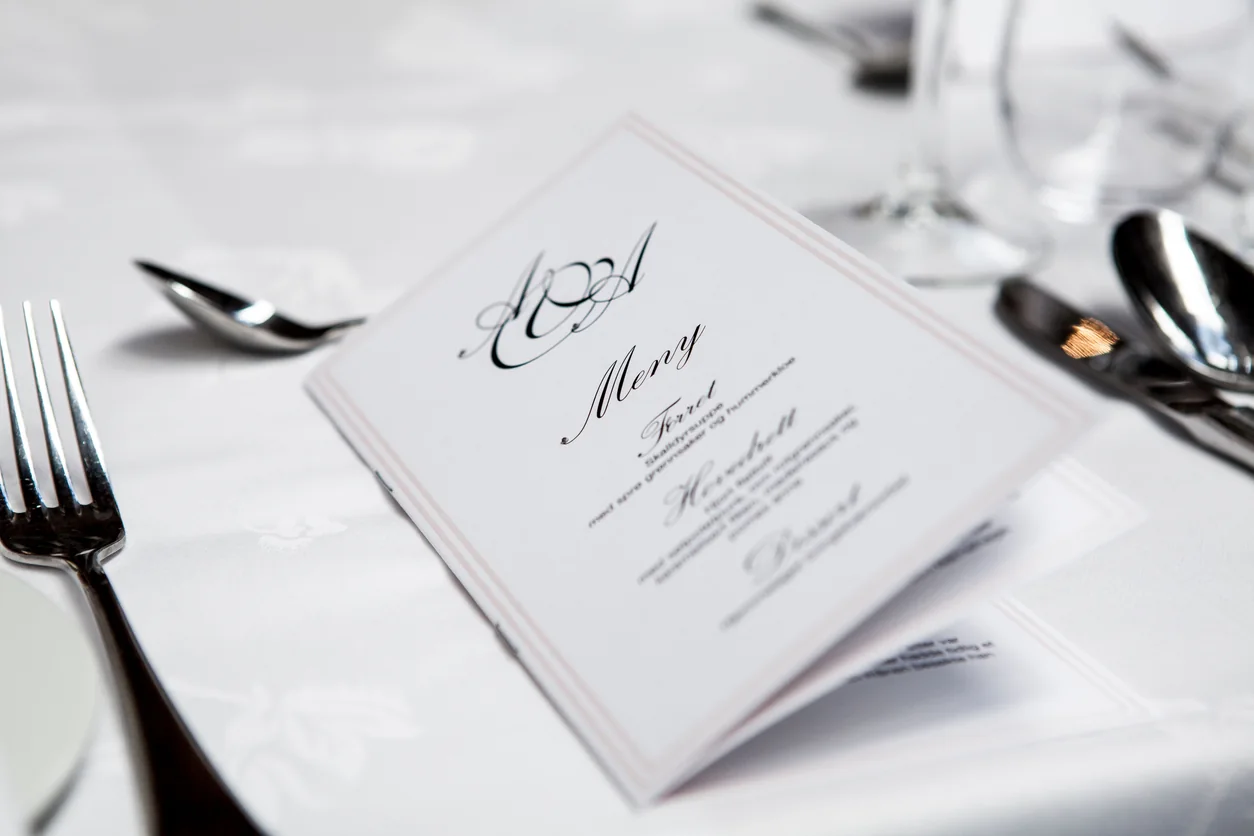
Review the menu under the actual service lighting and on a small phone. Clear descriptions and legible prices support the conversation. They also give a guest who prefers to read quietly the information they need without requiring an extended exchange.
Give each service handoff an owner
Follow one ordinary visit through the room. Notice the points where responsibility moves: host to server, server to kitchen, kitchen to runner, and guest to checkout. Write down what information needs to move with each handoff and who notices if it has not arrived.
Use a short worksheet to agree the next action. The fictional examples below are conversation starters, not required timings or a claim about software automation. Adapt them to counter service, a food truck or a dining room rather than forcing every operation into the same sequence.
| Moment | Owner | What the guest needs to know |
|---|---|---|
| Arrival | Host or counter team | Where to wait and what happens next |
| Menu question | Server with kitchen support | A confirmed answer before choosing |
| Unexpected delay | Person managing the order | An accurate update and available options |
| Food handoff | Runner or pickup team | Which order or dish is theirs |
| Departure | Server or checkout team | How to finish and get help if needed |
Review the room while it is in use
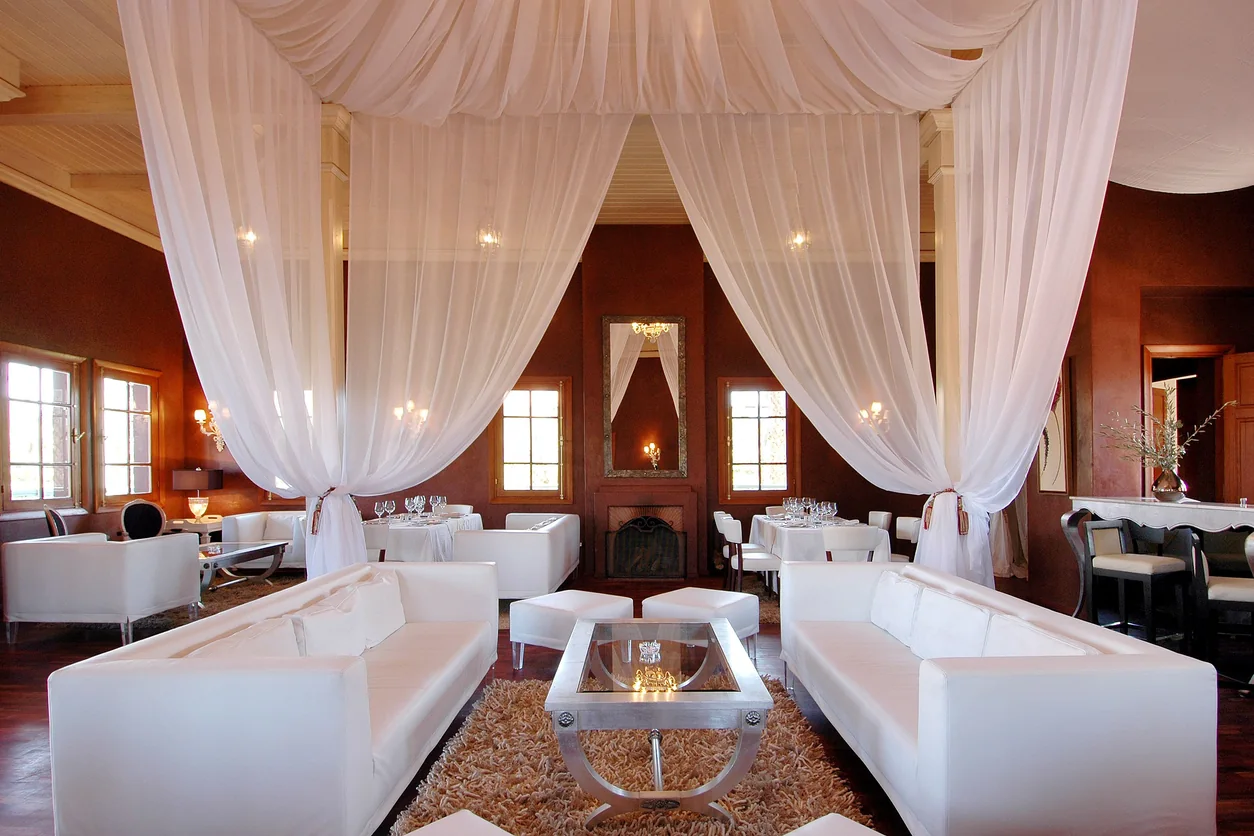
An empty dining room can hide the problems that appear during a busy service. Observe the route between tables, the place bags collect and where people stand while waiting. Listen from a seated position as well as behind the counter. Ask whether a guest can hear a normal explanation without the server raising their voice.
Check the details that change through the evening: lighting, temperature, table stability and the condition of shared areas. Give each routine check a named owner and a practical time to complete it. The point is a comfortable, usable room, not a checklist filled in after everyone has gone home.
Handle a difficult moment with a clear next step
When something goes wrong, first establish what the guest is describing. Repeat the specific issue in plain language and explain who can help. Keep the conversation focused on the visit instead of debating blame in front of the table.
Staff need to know which decisions they can make and when to involve a manager. If a follow-up is promised, assign it to someone who will carry it through. Record the operational lesson without adding unnecessary personal details. A warm apology loses its value if nobody takes the next action.
Give guests time to review the bill and ask questions. Keep checkout instructions understandable and leave room for them to use the device comfortably. The end of the visit deserves the same attention as the welcome.
Improve one recurring moment at a time
At the end of a service, ask the team for one moment that worked and one that was confusing. Combine those observations with guest feedback, then choose a change small enough to try consistently. For example, move the pickup sign or clarify who updates a waiting table.
Agree what you will observe during the next comparable services. Fewer repeated questions can be a useful signal, but do not attribute a change in sales or reviews to one adjustment without examining the wider context. Keep the change if it helps the guest and the team; revise it if the original problem remains.
Frequently asked questions
Does a better guest experience require a more formal service style?
No. A quick counter visit and a long dinner can both feel considered. Choose a style that fits the occasion, then make the information, responsibilities and handoffs clear.
Should every table follow the same timing?
Use a dependable process while listening to the guest and considering kitchen capacity. This guide does not prescribe universal wait times or promise automatic course pacing.
Where should a small team start?
Choose one recurring source of confusion, such as arrival or pickup. Assign an owner, make a focused change and observe several comparable services before expanding the routine.