A useful reply starts with understanding the visit. Give the guest a clear next step, give the team a specific issue to review, and keep the public conversation calm and accurate.
Read the visit before writing the reply
Separate what the reviewer experienced from what you still need to establish. A comment about a long wait might concern arrival, ordering, the kitchen or the bill. Read the complete review and identify the specific moment. Do not fill a gap with an assumption about the guest or a staff member.
Give a manager responsibility for the response. They can check relevant service notes, ask the team what happened and decide which details belong in a private follow-up. Keep the original feedback available during that review so a summary does not gradually change the issue.
If the comment identifies an urgent operational concern, use the restaurant’s appropriate escalation process immediately. Writing a polished public reply should not delay the action needed inside the business.
Give the response one clear purpose
Decide what the reader needs from this reply. Sometimes it is an acknowledgement and an apology. Sometimes it is a factual clarification. When more information is needed, it may be a reliable way to reach the responsible manager. Trying to defend every detail often obscures that next step.
Google’s reply guidance recommends concise, professional responses, protecting private information and moving complex issues to a direct conversation. Apply those principles without turning every reply into the same script. Use the part of the feedback you can address accurately.
| Part | Useful content | Leave out |
|---|---|---|
| Acknowledge | The specific part of the visit raised by the guest | An argument about their motives |
| Respond | An apology or a verified, relevant explanation | A cause you have not checked |
| Next step | A monitored contact route or a completed change | A promise nobody owns |
| Sign off | The responsible team or manager | Private staff or customer details |
Adapt the words to the actual situation
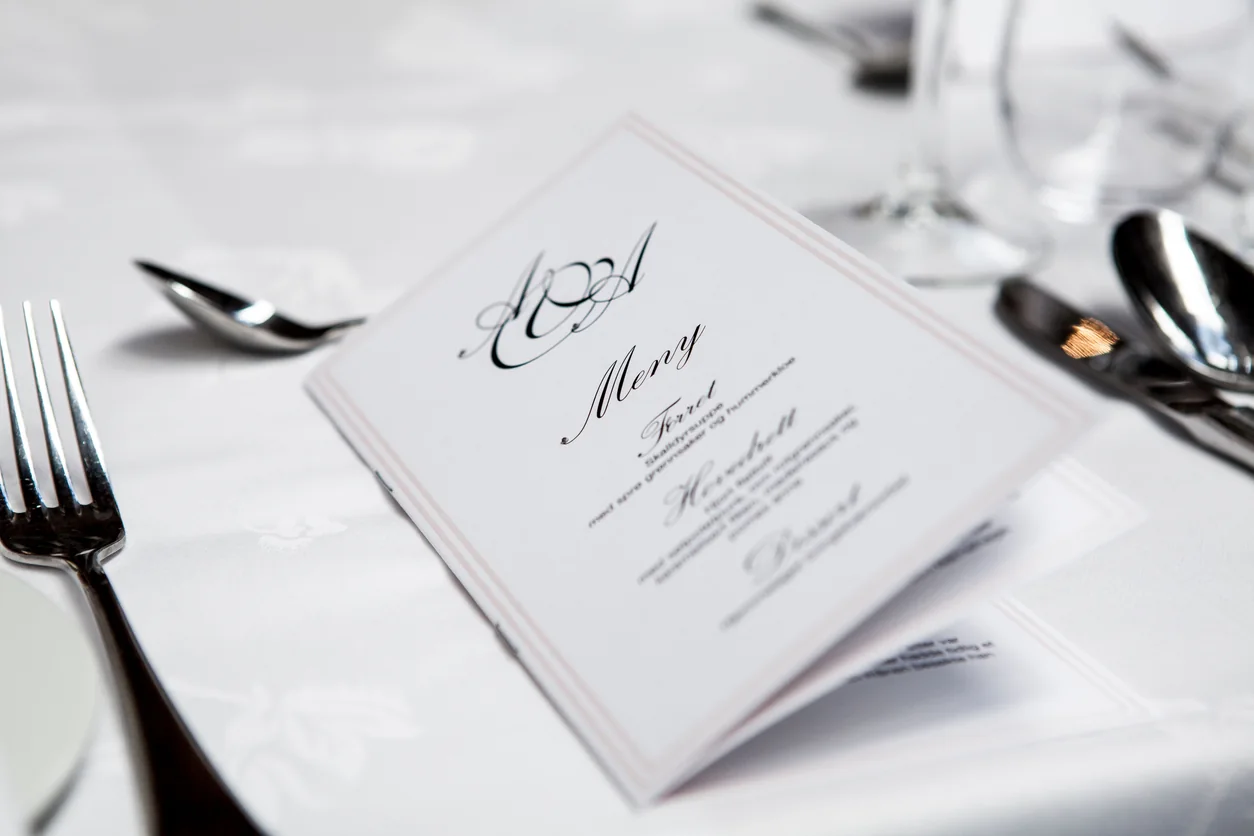
The following examples are original, fictional starting points. Replace the contact instruction with a real, monitored route, and only describe an action if it has actually happened. The restaurant in the photograph is not the subject of these examples.
A long wait: “Thank you for explaining where the delay happened. I’m sorry the wait took away from your evening. Please contact our manager through the number on our website so we can review the visit with you.”
An unclear menu: “I’m sorry the menu left that choice unclear. Your note about the side dish is useful. We are reviewing that description with the service team, and our manager can help with the details of your visit.”
A mixed experience: “Thank you for the thoughtful feedback. I’m glad you enjoyed the meal, and I’m sorry the pickup handoff was frustrating. Please contact our manager directly so we can understand what happened when you arrived.”
Praise for the team: “Thank you for taking the time to describe your visit. I’m pleased the team helped you settle in and enjoy the evening. We’ll share your kind words with the people who looked after your table.”
Keep public and private follow-up separate
A public reply does not need the guest’s reservation details, payment information or a staff member’s employment history. Ask for any necessary visit information through the restaurant’s appropriate direct channel. Make sure the person monitoring it knows which review is being followed up.
Use a small internal record with the issue, responsible person, next action and review date. Restrict it to the people who need it. A response has not resolved an issue simply because someone posted it; the follow-up still needs an owner.
If a manager agrees a remedy, follow the business’s normal approval and recording process. Keep the remedy independent of whether the guest changes a review. Do not promise a refund, replacement or exception in public unless you are authorized and able to deliver it.
Check the platform before asking for reviews
Review platforms have different rules. Google allows businesses to share a review link or QR code, while Yelp tells businesses not to solicit reviews. Do not apply one platform’s approach to every listing.
Google prohibits incentives for posting, changing or removing reviews. Yelp also prohibits paying or pressuring people to change or remove them. Avoid offering a free dish or discount in exchange for a rating. Invite honest feedback through methods permitted by the platform, without selecting only the guests you expect to be positive.
Keep the current policy links with the person managing your listings. Check them before launching a feedback campaign or changing a message printed on receipts. A tactic repeated in an older article is not proof that the platform allows it now.
Distinguish criticism from a policy violation
A negative opinion is not automatically a removable review. Google says removal depends on a policy violation, not whether the business disagrees with the criticism. If you believe a review violates the rules, use the platform’s reporting process and give the relevant evidence.
Avoid publicly naming a suspect or accusing someone of dishonesty on the basis of an unmatched name. A booking may have been made by another member of the party. If you cannot identify the visit, a calm request for direct contact is more useful than publishing a guess.
Turn a repeated concern into a service review
Group the issues you can act on: arrival, menu clarity, ordering, food handoff or checkout. Look for a repeated moment across feedback and staff observations. A single comment may be incomplete; several accounts describing the same handoff give the team a more focused question to investigate.
Choose a small change with a named owner. For example, agree how the host explains a delay or where a pickup guest should wait. Brief the team, observe the next services and record whether the same confusion returns. Do not reduce a service review to chasing a higher star average.
Yelp’s business guidance frames public replies as part of the customer-service experience visible to future visitors. Keep the operational follow-up just as deliberate as the wording. A measured reply is most useful when someone inside the restaurant acts on what was learned.
Frequently asked questions
How quickly should a restaurant reply?
Set a review routine that a named person can maintain. A straightforward acknowledgement may be quick; a detailed explanation should wait until the facts are checked. Urgent operational concerns need their own immediate response.
Should every reply use a template?
Use a structure to remember the essentials, then write for the actual visit. Remove any sentence that does not help acknowledge, explain or resolve the specific issue.
Can a restaurant remove every bad review?
No. Use the platform’s reporting process for content that violates its rules. Disagreement with an opinion does not itself establish grounds for removal.
Does Taply post these replies for me?
This is an editorial guide. It does not advertise automated review posting or grant access to an external review account.