Connect useful local information, original content and a clear invitation to the service your team can deliver.
Choose the occasion and the guest
Start with a service you want more people to understand: weekday lunch, an early dinner, a seasonal menu or a private gathering. Describe who the invitation is for and why that occasion fits your restaurant. Avoid trying to promote every part of the business in one message.
Agree the dates, booking or ordering route, capacity and offer details with the service team. Write the answer to the question a guest is most likely to ask. A small campaign is easier to evaluate when the invitation is concrete and the restaurant is ready to deliver it.
Make the practical information easy to find
Review your own website and business profiles as if you had never visited. Check opening hours, address, menu, contact details, accessibility information and the route to book or order. Use words guests use when asking about your food and location, with a distinct title and useful description for each important page.
Ask a colleague to complete the intended journey on a phone. Record outdated menus, broken links, unclear collection instructions and information that only appears inside an image. Keep a named owner for changes to hours and availability so an announcement does not conflict with the place guests arrive.
Create a small set of original material
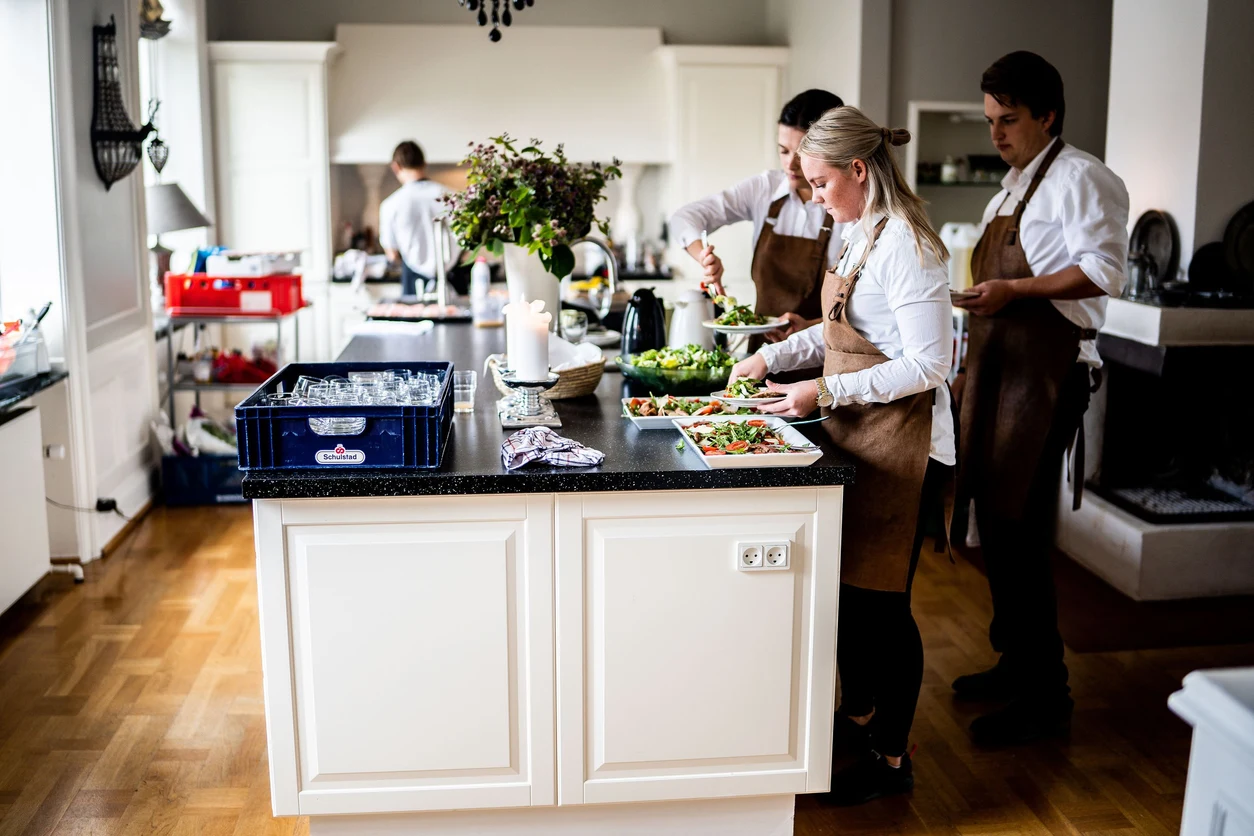
Photograph the dish, room or experience you are actually offering. Prepare a few useful variations: a clear food photograph, a short explanation from the team and the practical details for the visit. Obtain permission for identifiable guests or staff where needed and keep the original files organized by occasion.
Write the invitation before choosing a channel. State what is happening, when, where and how someone takes the next step. Check prices and conditions with the person responsible. Reuse the same confirmed facts across your website, printed material and social posts while adapting the presentation to each format.
Plan outreach and partnerships deliberately
For email or text, work from the audiences and consent records approved for that channel, and follow your established unsubscribe process. Do not assume that having a customer's receipt address means they agreed to a promotion. Confirm any proposed sending tool, add-on and usage cost before planning the campaign around it.
If you work with a creator, agree the deliverable, usage rights, compensation and disclosure before publication. The FTC provides US guidance on endorsements and material relationships. Keep reviews honest, avoid inventing testimonials and have the responsible person check the current requirements for your market.
Measure the visit and the operating result
Choose a practical measure such as completed bookings for the promoted service or clearly identified offer redemptions. Record the starting point, dates, spend and measurement method. Views and clicks can describe attention, but they do not establish that a guest visited or that the promotion was profitable.
Review the result with the team who delivered the service. Include capacity, cancellations, discount cost and guest questions. Decide what to repeat, what to revise and what to stop. Keep the notes with the original campaign so the next plan starts from something the restaurant learned.