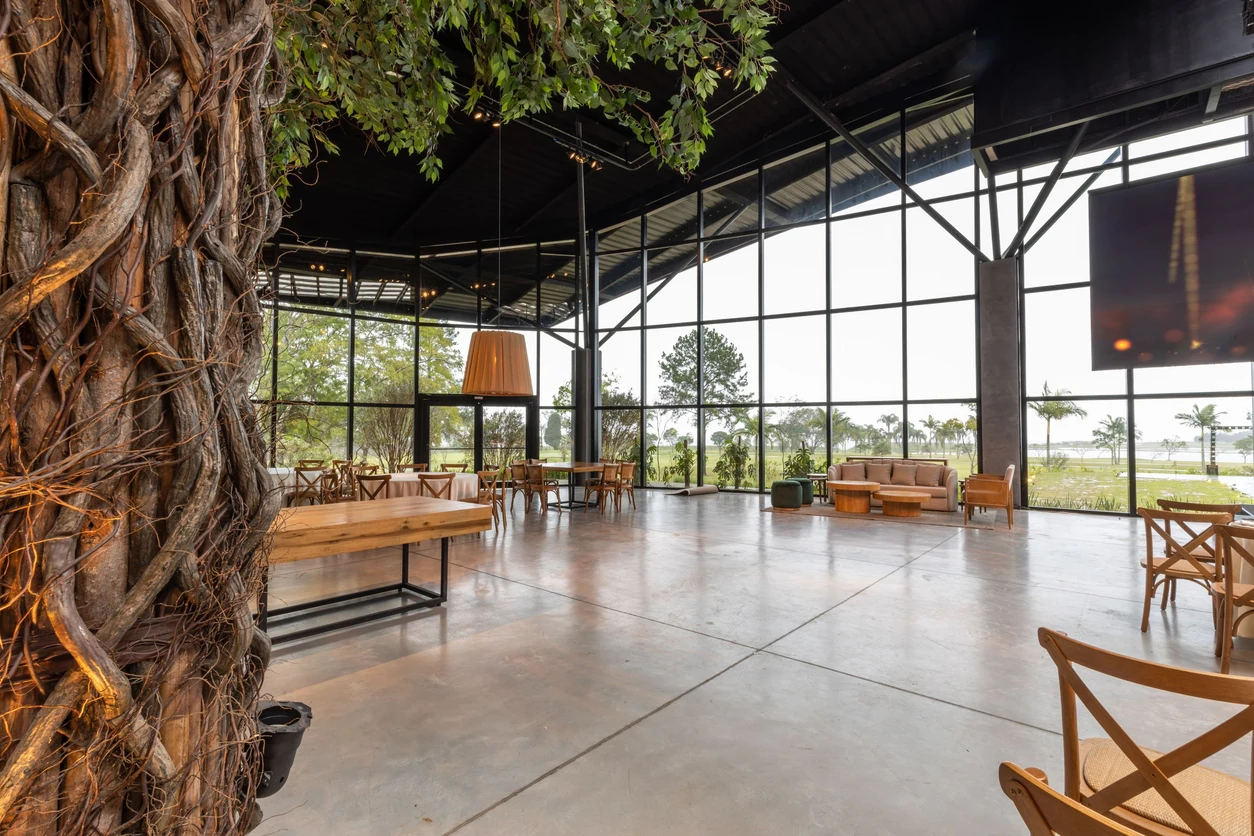
A beautiful room is only the beginning. Compare the location, working layout, full occupancy cost and lease responsibilities before choosing a space for your restaurant.
Describe the restaurant before choosing the room
Start with the service you intend to run. Write down the menu, preparation methods, opening hours, expected party sizes and the balance between seated guests, takeaway and delivery. A small lunch counter and an evening restaurant use a building differently, even when their floor areas are similar.
Turn that description into a short list of essentials. You may need a workable extraction route, a receiving area, accessible circulation or a separate pickup point. Keep preferences, such as a particular view or decorative finish, in a second column. This makes it easier to compare properties without letting the most photogenic room set the whole brief.
Bring a simple service journey to every viewing: a delivery arrives, ingredients are stored, a meal is prepared, a guest is served and used dishes return. Follow that route through the proposed space and record where it becomes awkward.
Budget for the full cost of occupying the space
Ask what sits beside the advertised rent. Depending on the agreement, there may be service charges, property-related costs, maintenance responsibilities or other recurring amounts. Build your comparison from the actual proposed terms, separating confirmed figures from estimates.
Keep opening costs separate from the monthly operating budget. Deposits, design work, professional fees, building work, equipment connections and the period before trading can require cash before the first guest arrives. Record when each payment is due, as well as the amount.
| Cost group | What to collect | Question to resolve |
|---|---|---|
| Rent and recurring charges | Written amounts, timing and any increases | Which costs can change during the term? |
| Fit-out and equipment | Scope, quotations and required approvals | Who pays, and who owns the completed work? |
| Utilities and servicing | Capacity checks and relevant estimates | Will the building support the proposed kitchen? |
| Opening period | Deposits, professional fees and cash timing | How will a delayed opening affect the plan? |
| Repairs and exit | Responsibilities in the proposed agreement | What condition must the premises be returned in? |
Visit the neighborhood when you plan to trade
An attractive street at midday may work differently after dark or on a weekend. Visit at the times relevant to your concept. Observe how people arrive, where queues form, how deliveries stop and whether a first-time guest can find the entrance without an explanation.
Separate observations from forecasts. A busy pavement does not tell you how many people will buy your food. Record the occasions nearby businesses serve, what your restaurant would add and what evidence supports your demand assumptions. Ask what changes during holidays, bad weather or nearby construction.
For a second location, test the local plan on its own merits. Your existing restaurant provides useful operating experience, but its trading pattern, team capacity and supply routes may not transfer directly to a new neighborhood.
Check the building before committing to a layout
Walk the property with the people qualified to assess its condition and your proposed use. Document questions about electrical supply, ventilation, water, drainage, storage, waste handling, deliveries and access. A former restaurant is useful context, not proof that the building is ready for your menu or current requirements.
The U.S. Small Business Administration advises checking local zoning before buying or renting business premises. Confirm the relevant permissions with the local authority, and have qualified advisers review building, accessibility and food-business requirements for your location. Keep that work distinct from a landlord’s informal assurance that a use should be fine.
Use measured drawings to test the complete operation, including staff areas and circulation. Do not turn a rough area-per-seat assumption into an approved seating capacity. Record which constraints are confirmed and which still need professional review.
Keep the sales assumptions in the same period
An occupancy-cost ratio can help you examine a scenario, provided its assumptions are visible. In the fictional example below, an owner models $6,000 of monthly occupancy costs as 8% of monthly sales. The 8% is a chosen assumption for the example, not an industry recommendation.
That scenario implies $75,000 of monthly sales. If the same fictional month contains 25 trading days and 80 guest visits per day, it contains 2,000 visits. The implied sales per visit are $37.50. Both calculations refer to the same month; dividing monthly sales by one week’s visits would give a misleading result.
Now challenge the assumptions: fewer trading days, fewer visits, a lower average sale or a delayed opening. This calculation does not prove demand, legal capacity, affordability or break-even. Review the complete operating budget and cash requirements with your accountant before treating the scenario as a decision.
Make the lease questions specific
Ask your qualified lease adviser to explain the proposed term, renewal process, rent reviews, permitted use, repair obligations, guarantees and any route to assignment or an early exit. Have the actual wording reviewed for your jurisdiction; a checklist cannot establish what a clause means for your business.
Discuss fit-out approvals, access before opening, signage, deliveries and the handover condition. If an agreement depends on a particular improvement or permission, have your adviser address that dependency in the documents. Keep a record of unresolved points instead of assuming a verbal conversation has settled them.
Compare leasing and buying as different commitments. Include upfront cash, responsibility for the building, financing where relevant and the practical ability to move. Neither arrangement is automatically the better choice for every restaurant.
Create a decision file you can revisit
For each shortlisted property, keep the same set of information: measured plan, photographs, full cost schedule, professional findings, proposed terms and assumptions behind the sales scenario. Give each open question an owner and a date for the next answer.
Decide what would make you walk away before becoming attached to a particular room. That may be an unresolved use restriction, a fit-out requirement beyond the budget or a dependency nobody can confirm. A clear decision file helps the team understand why the selected space fits the restaurant you actually plan to run.
Frequently asked questions
Is a former restaurant automatically easier to open?
It may have useful infrastructure, but its condition, capacity and permissions still need checking against your proposed operation. An earlier use does not confirm readiness for your business.
What percentage of sales should rent be?
This guide does not prescribe a universal target. Model the full occupancy cost alongside the complete operating budget, cash timing and local evidence. The 8% in the worked example is only a fictional assumption.
Who should review a proposed lease?
Use a qualified local commercial lease adviser for the agreement and the appropriate building, planning and accounting professionals for their respective questions.