Connect the guest, menu, operating model and financial assumptions in a plan you can review and revise.
Explain the concept in one clear page
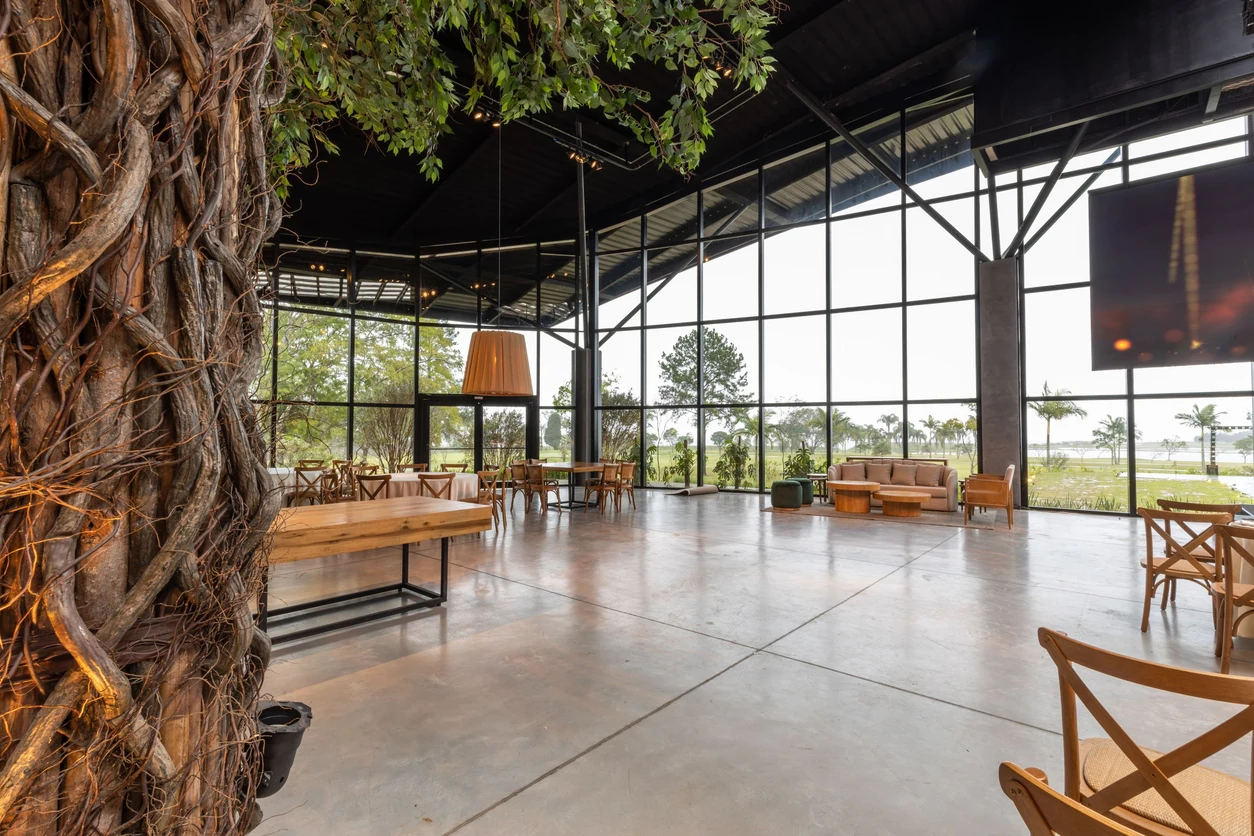
Describe the restaurant, its intended guests and the occasions it will serve. Include the proposed location, service style, menu direction and the people responsible for opening. A reader should understand what a normal visit will feel like and why that visit belongs in the chosen neighborhood.
Write a short summary first, then revise it after the detailed plan. Distinguish facts from assumptions and label decisions that still need evidence. The editable template provides a structure for your own research; it is not a completed business plan or a guarantee of financing.
Gather evidence about guests and the location
Describe the customers you expect to serve and what you have learned from observation, conversations and available local data. Compare relevant alternatives by occasion, menu, price and service. Keep the date and source beside each important finding so someone else can check it.
Visit the proposed area at the times your restaurant would operate. Record practical questions about access, collection, deliveries and neighboring uses. Review site suitability, permissions and professional advice before treating a location as ready. The SBA's planning resources offer a useful starting structure for market research and business plans.
Connect the menu to the operating model
Use a representative menu to explain preparation, equipment, storage and staffing needs. Describe the path from receiving ingredients to service and close. Include supplier alternatives and the responsibilities of the people who will run each shift.
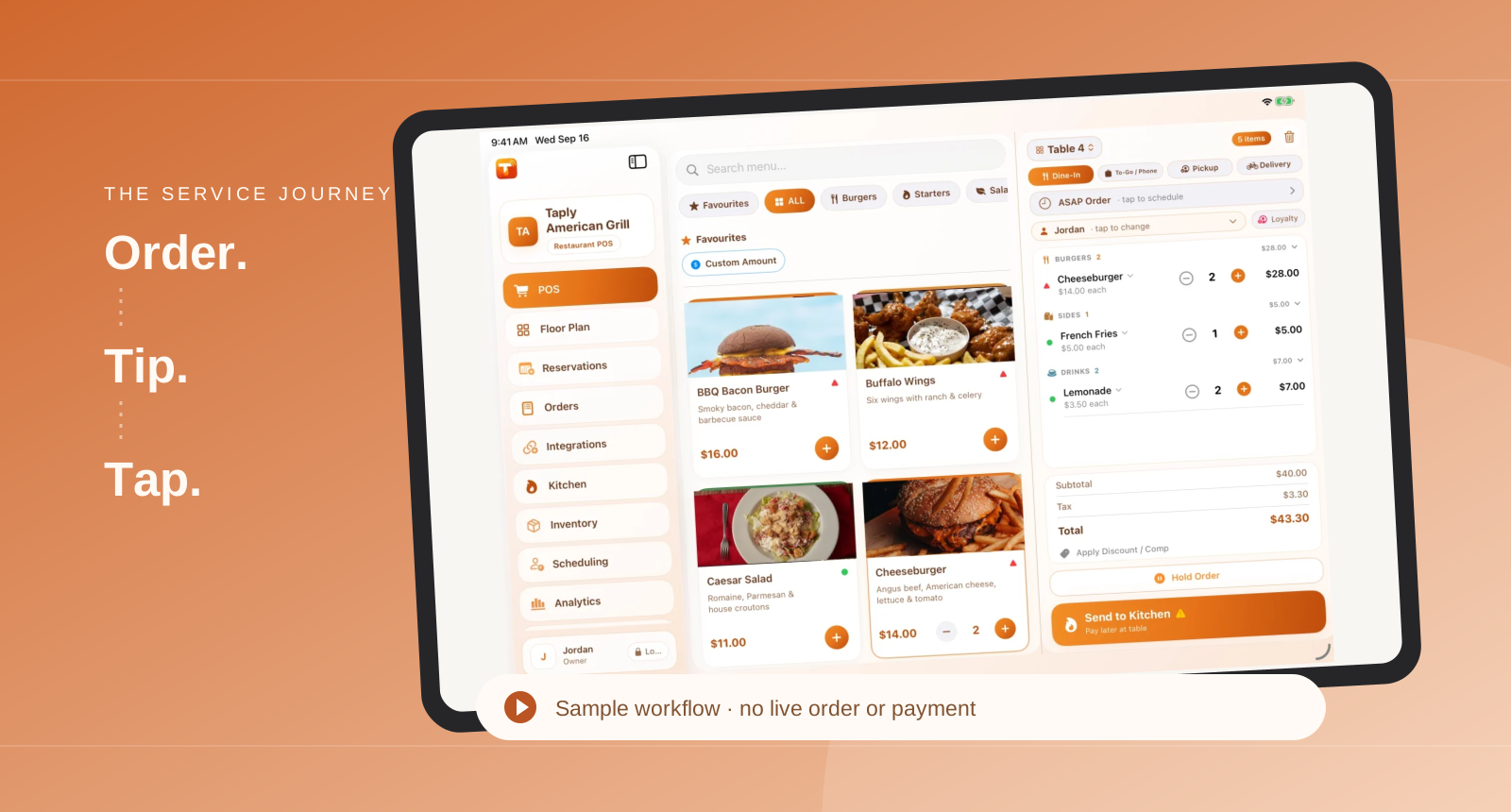
List proposed technology by the job it must do, such as order entry, kitchen routing or reporting. Confirm specific devices, plans and connections with providers. Keep quotes and unresolved requirements with the plan so a product name does not stand in for a verified setup.
Make the financial assumptions visible
Separate opening costs from recurring operating costs. For each estimate, record the source, date and whether it is a quote or an assumption. Build the sales scenario from explicit inputs such as service periods, guest counts and average spend, then review capacity and seasonality with your advisers.
Keep cash timing distinct from profit. Record deposits, payment schedules, working-capital needs and any proposed funding separately. Ask a qualified accountant to review the financial model and alternative scenarios. Do not describe a projection as an achieved result or assume a lender will accept a generic template.
Give the launch plan owners and decision dates
Sequence the work that must happen before opening: site decisions, professional reviews, equipment, recruitment, training and a rehearsal of service. Identify dependencies and the person responsible for each item. Include the conditions that would postpone opening so the date does not become the only measure of readiness.
Finish with an action list for unanswered questions and a schedule for reviewing the plan. Attach supporting quotes, research and relevant professional advice. Update the summary when an assumption changes; a working plan is useful because it explains the current decision, not because it preserves the first draft.