A smaller dish can be a useful choice when its purpose, portion and price are clear. Plan the recipe and service around that choice, then test how it works for guests and the kitchen before expanding the menu.
Choose the role of the smaller dish
Decide what the option is for: a lighter lunch, a first course, a side or one of several dishes to share. Those are different promises. Give the item a name and description that explain its role instead of expecting the guest to understand the portion from a photograph alone.
Start with a limited number of dishes that fit the way your kitchen works. A smaller version should feel like a complete choice on its own terms. If a recipe depends on a particular balance of components, develop and taste the new serving instead of simply removing part of the finished meal.
Offer a visible choice with a clear price
Place the portion description next to the price and explain what comes with it. If a dish has two sizes, use consistent labels throughout the printed menu, website and ordering channels. A guest should be able to compare the options without asking whether the side or accompaniment has disappeared.
Avoid presenting an unannounced reduction as a new benefit. If an existing dish changes, update its description and brief the service team. Keep recommendations helpful: ask what the party wants to share and explain the actual serving, rather than relying on a universal number of plates per person.
Cost the new recipe on its own terms
List the ingredient quantities in the proposed portion, including sauces and finishing elements. Review the preparation, assembly and service work as well as the ingredient cost. A smaller amount of food does not automatically mean half the labor, tableware or operating cost.
The fictional comparison below isolates ingredient cost to show why both percentages and dollar amounts matter. It excludes labor, occupancy, payment processing, packaging and other costs, and it is not a recommended price. Use your own records and the business’s normal pricing review before making a decision.
| Measure | Regular dish | Smaller dish |
|---|---|---|
| Menu price | $24.00 | $16.00 |
| Ingredient cost | $7.20 | $4.80 |
| Ingredient cost ÷ menu price | 30% | 30% |
| Price less ingredients, before all other costs | $16.80 | $11.20 |
Plan the table and the pass together
Several small dishes can create more assembly and carrying work than one larger plate. Rehearse a realistic order mix and look at the space needed at the pass. Check whether the same cook or finishing tool becomes a bottleneck when the smaller option is popular.
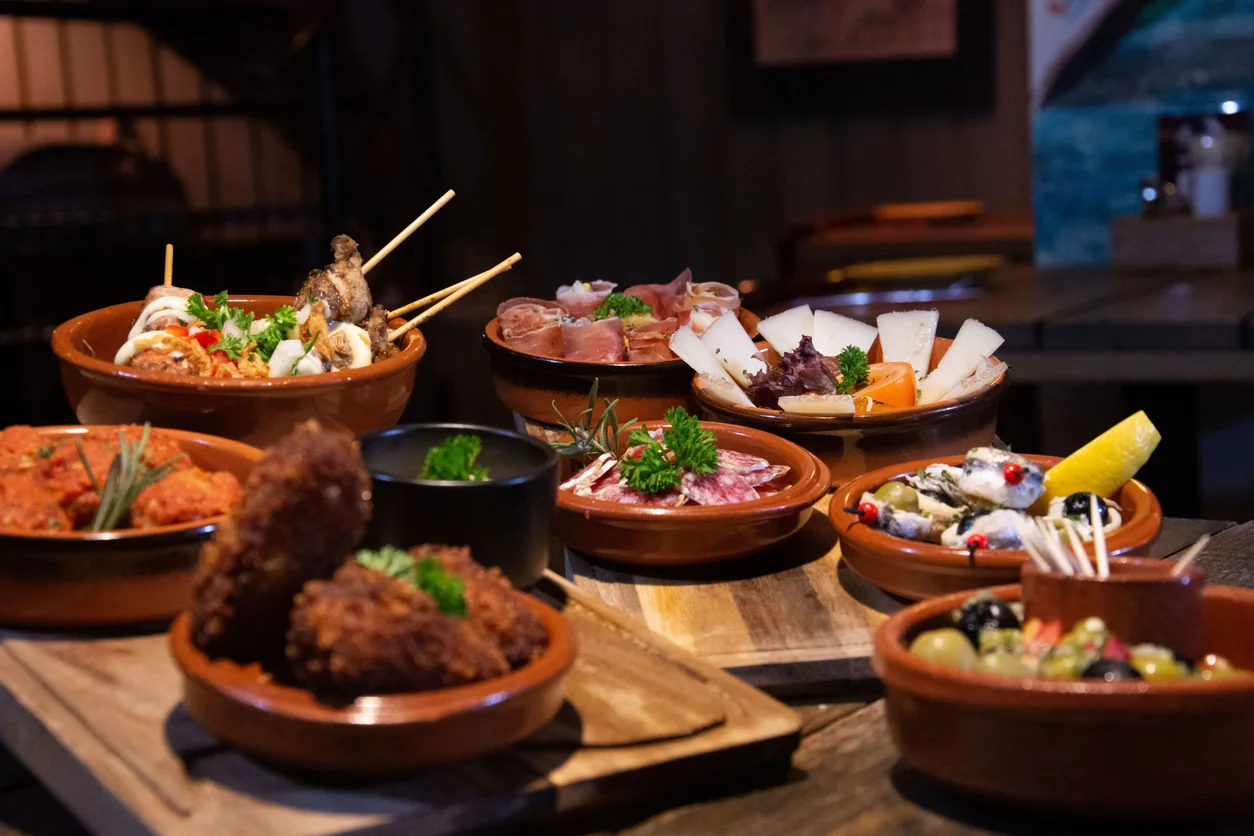
Lay out the dishes on the actual table with drinks, cutlery and any serving utensils. Agree how the team explains the arrival sequence and notices when the table needs space. Sharing should feel comfortable; it should not require guests to reorganize the entire table each time another dish appears.
Measure waste before claiming a reduction
Record what is left uneaten and why before changing a portion. Separate preparation waste, unsold food and food returned on plates so different problems do not become one unexplained total. A smaller serving will not address every source of waste.
EPA recommends measuring the amount and type of wasted food before choosing prevention steps. Its restaurant tip sheet also suggests offering different meal sizes. Use those ideas as a starting point for a local trial, rather than promising a particular reduction for every restaurant.
Choose comparable services and use the same recording method throughout the trial. Note the number and mix of dishes sold, unusual events and guest comments alongside the waste measure. A lower total on a much quieter day is not enough to show that the portion change caused it.
Run a small, documented menu trial
Agree the dishes, dates, portions and prices before the trial begins. Give the kitchen and service team one version of the plan. Keep a simple record of guest questions, preparation difficulties and requests for a different size so the review includes more than the sales count.
Look at the whole meal as well as the individual dish. Ask whether the new option fits the visit, whether guests understand it and whether the team can deliver it consistently. Separate the evidence you observed from the outcome you hoped to achieve.
- Define the purpose and approved recipe for each smaller dish.
- Confirm the portion description, price and available accompaniments.
- Rehearse preparation, table space and the food handoff.
- Use a consistent method to record questions, waste and operating effort.
- Set a review date and decide whether to keep, revise or stop the option.
Keep the option only if it works as a whole
A successful trial needs to make sense for the guest, the team and the business. An attractive photograph or a popular first weekend is only part of that picture. Review the repeated questions, the work involved and the financial information using the same assumptions you started with.
If the option earns a permanent place, update the recipe, menu, staff guidance and photography together. If it does not, record what you learned. A focused trial can still be valuable when the decision is to keep the original menu simpler.
Frequently asked questions
Should a half portion cost half as much?
Not automatically. Ingredient quantities may change while preparation, service and other costs behave differently. Develop a clear offer and review the complete economics using the restaurant’s own records.
Do smaller portions always reduce waste?
No. Measure the types and causes of waste and compare like-for-like services. Guest choices, recipe changes, sales mix and preparation practices can all affect the result.
How many small plates should a table order?
There is no universal number here. It depends on the actual dishes, the party’s preferences and whether they are ordering a snack or a full meal. Explain the portions and let guests make an informed choice.