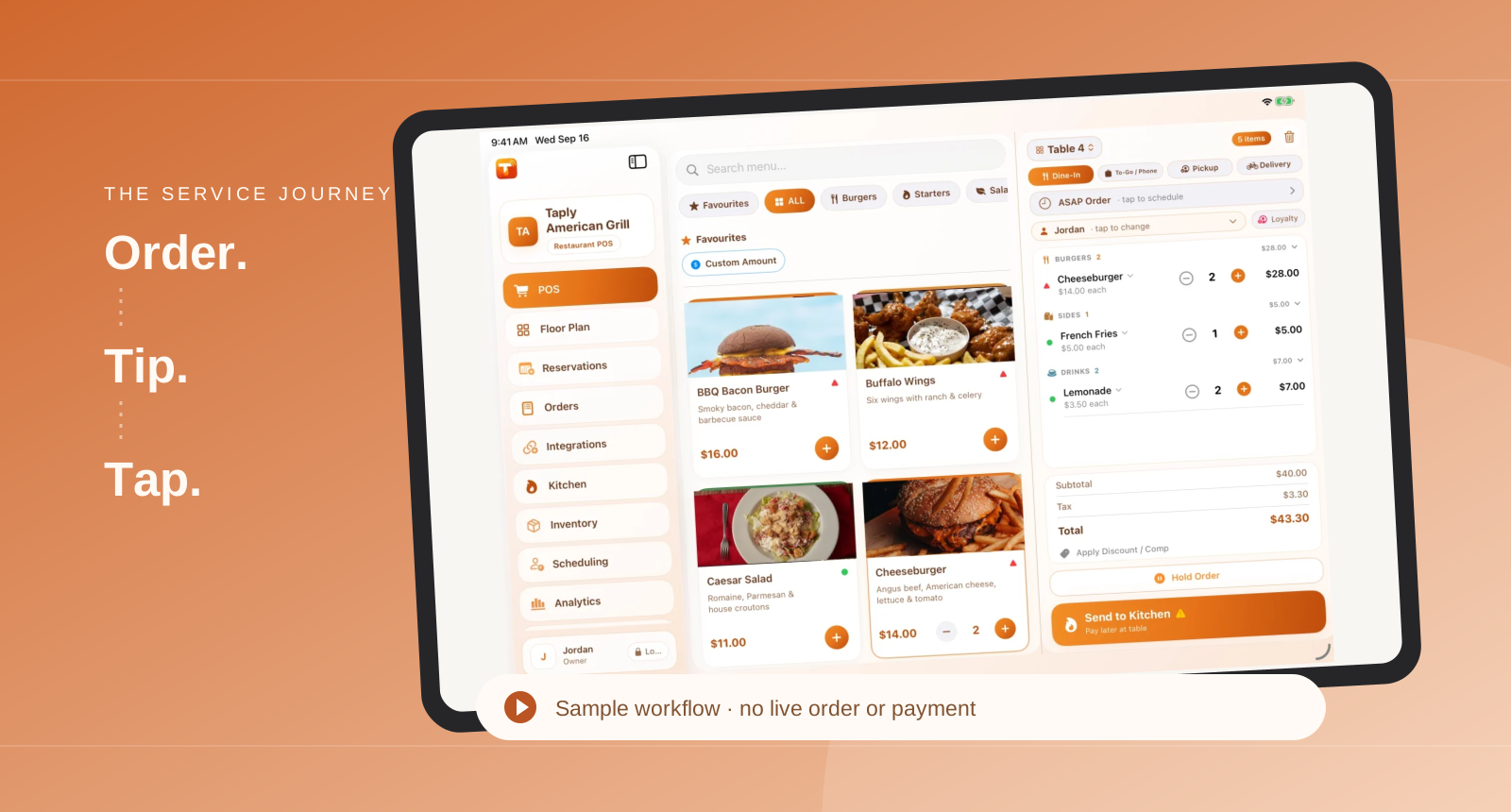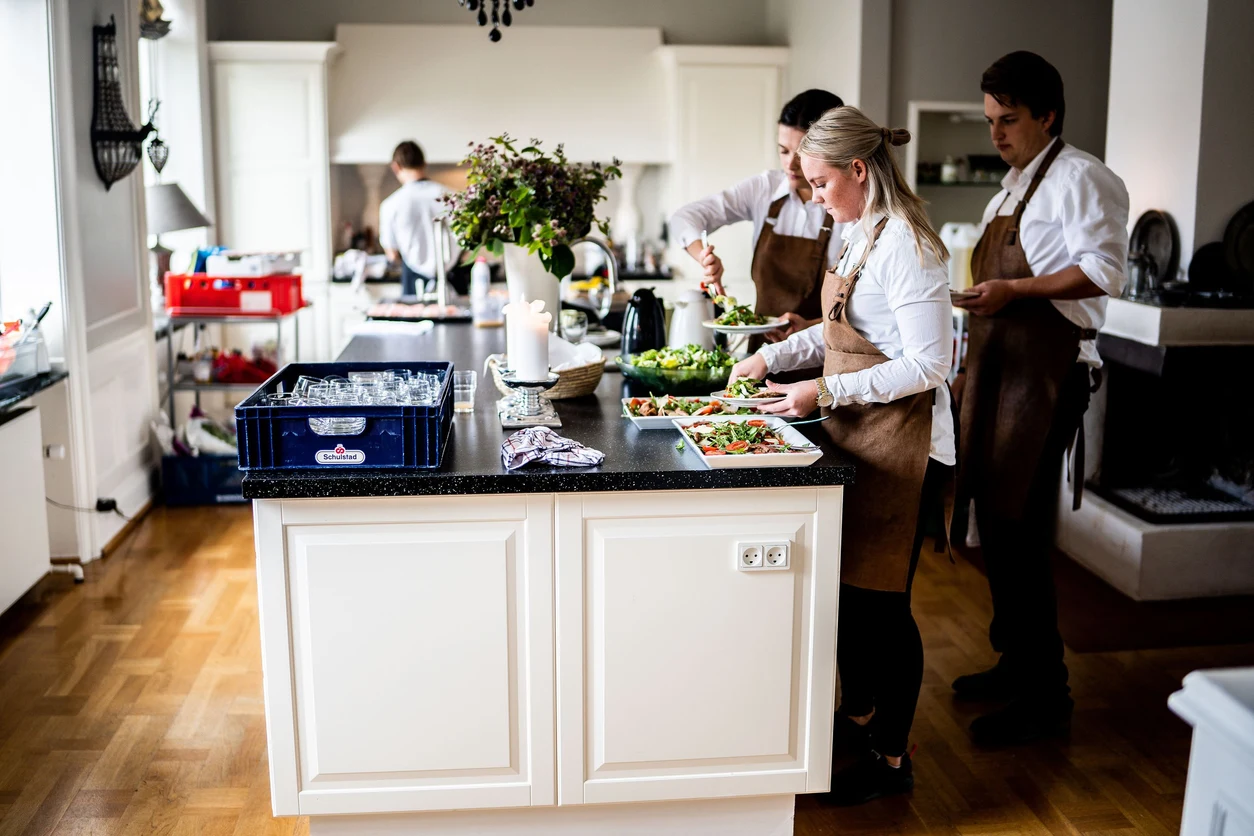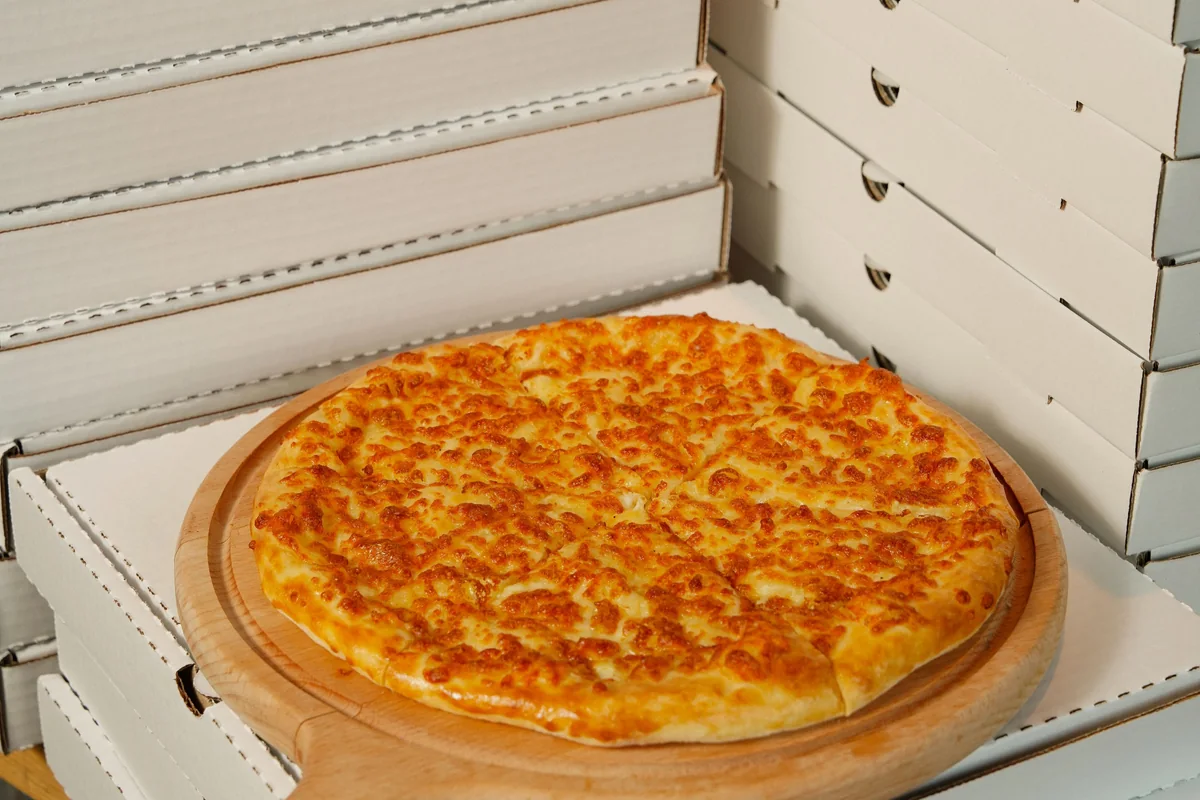
Test the menu, packaging, responsibilities and costs before opening another service channel.
Choose the service you intend to run
Separate customer collection, restaurant-operated delivery and delivery through another provider. Each needs a clear owner for receiving orders, answering questions and handing over the food. Define the service area, opening window and capacity before publishing availability.
Choose a small starting menu and a limited trial. Write down which orders the kitchen can accept while serving the dining room and who can pause the channel. Confirm the proposed order connection with each provider. This planning guide does not establish that a particular marketplace or courier integration is supported by Taply.
Test the food and packaging together
Review the journey of each trial dish with the people responsible for food safety and preparation. Consider separation, packaging fit, spill risk, labeling and what the guest needs to finish or serve the meal. Use the restaurant's approved handling procedures and applicable local requirements.
FDA points to food-safety practices for third-party delivery that address packaging, temperature control, contamination and communication. Use that material as a discussion aid with qualified staff and your regulator. An attractive package or a short journey alone does not establish that a delivery process is safe.
Design a handoff the team can repeat
Give collection a visible place that does not obstruct guests or the kitchen. Agree how staff identify the order, confirm the recipient and record the handoff. Include drinks, sauces and utensils in the packing check. Keep customer information visible only to the people who need it.
Rehearse a late collection, an unavailable item and an order that cannot be found using fictional training details. Record who contacts the guest and who can approve a resolution. If a payment status is unclear, use the provider's recovery process before requesting another payment or attempting a refund.
Compare the full cost of the channel
List ingredients, packaging, incremental labor and the provider's quoted charges for the same order scenario. Include discounts or delivery subsidies funded by the restaurant. Keep taxes, tips and settlement timing separately identified so the worksheet does not confuse revenue with a bank deposit.
Use written provider terms and your own cost records. Ask your accountant to review the comparison and the treatment of shared costs. A hypothetical basket can reveal missing inputs, but it is not a forecast or a promise that the channel will be profitable at a particular order volume.
Run a controlled trial and review exceptions
Before opening the trial, brief the team on the menu, hours, collection point and support contacts. Confirm who owns customer questions and how the service can be paused. Keep the trial small enough that the responsible person can observe the handoffs.
Review missing items, late collections, packaging problems, guest feedback and the actual work involved. Compare the trial with the assumptions, agree changes and repeat the checks before expanding. Keep the agreed procedures and provider contacts where the opening team can find them.