A useful store experience starts with something a customer wants to try, learn or make. Explore ten practical ideas and a plan for testing one.
What experiential retail means here
An experiential store gives customers a way to participate, not just browse. That might be a product demonstration, an appointment, a workshop or a chance to test a material before choosing it. The useful question is what the experience helps a customer do.
You do not need to turn every shop into an event venue. Begin with an uncertainty customers already bring to the counter: how a product fits, how to care for it or which version suits their task. Build the smallest experience that answers it well.
Ten ideas to adapt to your store
The following are original planning examples, not Taply customer stories or claims of measured results. Choose an idea your team can deliver comfortably during normal trading.
| Store | Experience | Customer benefit |
|---|---|---|
| Stationery | A short paper-making or stamping session | Try textures and tools |
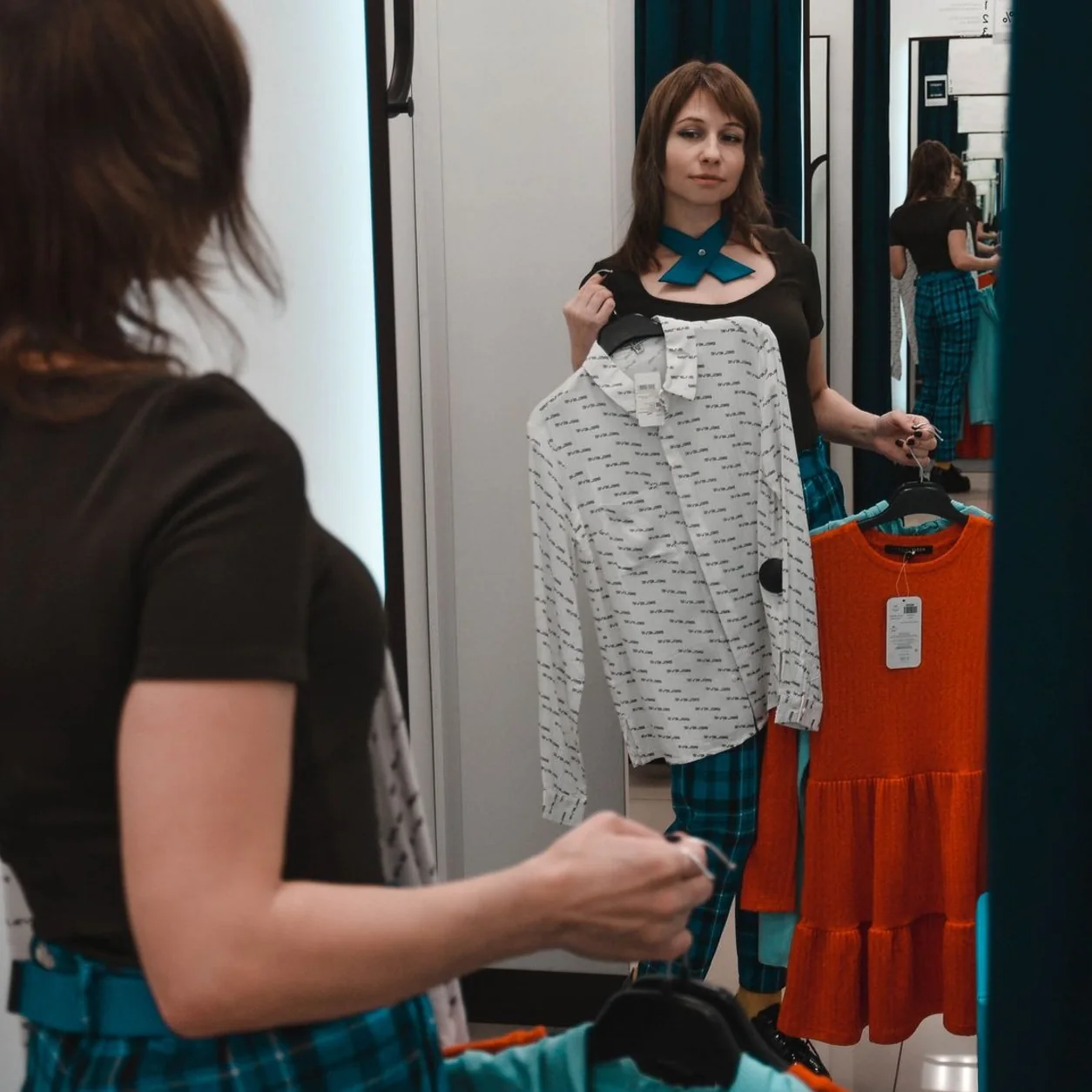
| Apparel | An appointment to compare fits | Understand size and styling |
| Garden | A repotting demonstration | Learn a care routine |
| Outdoor goods | Pack-fitting guidance | Check comfort before buying |
| Bookshop | A small reading discussion | Discover another perspective |
| Homewares | A table-setting workshop | See combinations in context |
| Jewelry | A care and storage demonstration | Learn how to look after an item |
| Toy shop | A supervised product play session | Understand an age-appropriate activity |
| Footwear | A fit comparison appointment | Compare the feel of different models |
| Craft shop | A beginner project session | Finish a manageable first project |
Design the visit around one clear promise
Tell people what they will do, how long it takes, what it costs if anything and what they should bring. Make booking, arrival and cancellation details easy to find. Avoid an invitation that promises a personal appointment when the actual event is a large group.
For an illustrative stationery workshop, the promise could be simple: make one sheet of textured paper and try two stamps in a 30-minute session. That gives the host, customer and purchasing team the same picture of what is needed.
Protect the ordinary shopping experience
Plan where the activity will happen and how customers can move through the store. Keep the main route and service counter usable. Consider seating, noise, access needs and an option for visitors who prefer to watch rather than participate.
Assign a host and a separate person to handle normal shop questions when staffing permits. Prepare materials before the session and set a realistic capacity. An experience that requires the entire team’s attention can leave other customers waiting.
Connect the experience to useful information
Create a short product list, care note or project guide that people can take away. Link to the relevant product or appointment details on your website, and make any follow-up optional. Collect only the information needed for the activity and explain its purpose.
A finished project should stand on its own without a pressured purchase. If a product is discussed, make its name and availability clear so a customer can decide later. Do not promise stock that has not been checked.
Measure learning before repeating the event
Record practical observations: reservations, attendance, time needed to reset the area and the questions visitors asked. If you review sales, define the time window and avoid assuming every purchase was caused by the event.
Ask the host what was difficult and choose one improvement for the next session. A smaller, repeatable event that customers understand is more useful than an elaborate launch the team cannot maintain.
- Was the promised activity completed in the stated time?
- Could ordinary shoppers still use the store comfortably?
- Which questions remained unanswered?
- What preparation should change before the next session?
Frequently asked questions
Does an experience have to be free?
No. Decide what fits the activity and business, then make the price and what is included clear before a customer books.
Can a small store do this?
Yes, an appointment or a short demonstration can be a modest starting point. Choose a capacity and format that fit the available space and staff.
Does a busy event prove that sales improved?
No. Attendance and sales answer different questions. Record both with clear definitions and avoid claiming a causal result that you have not established.