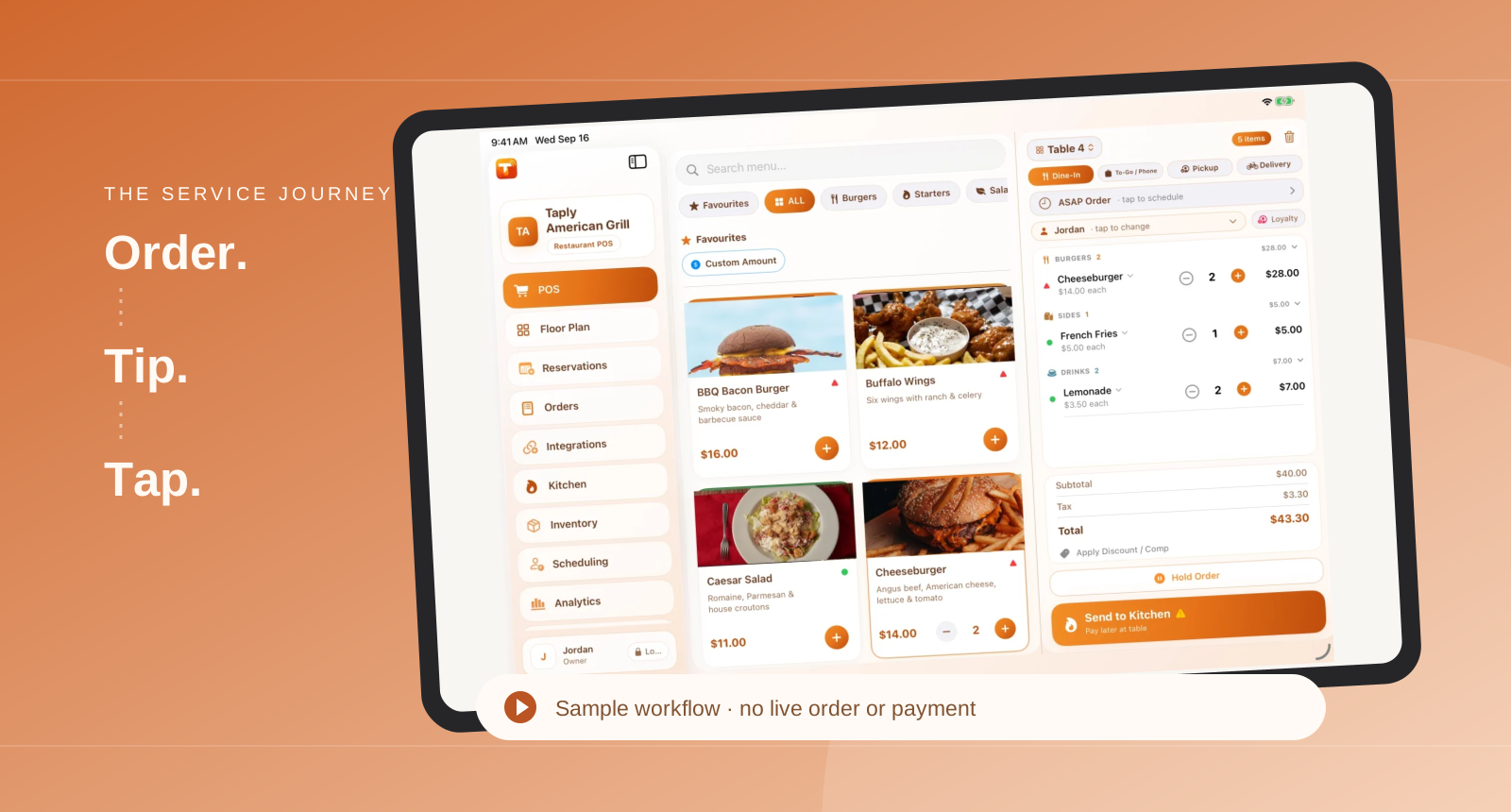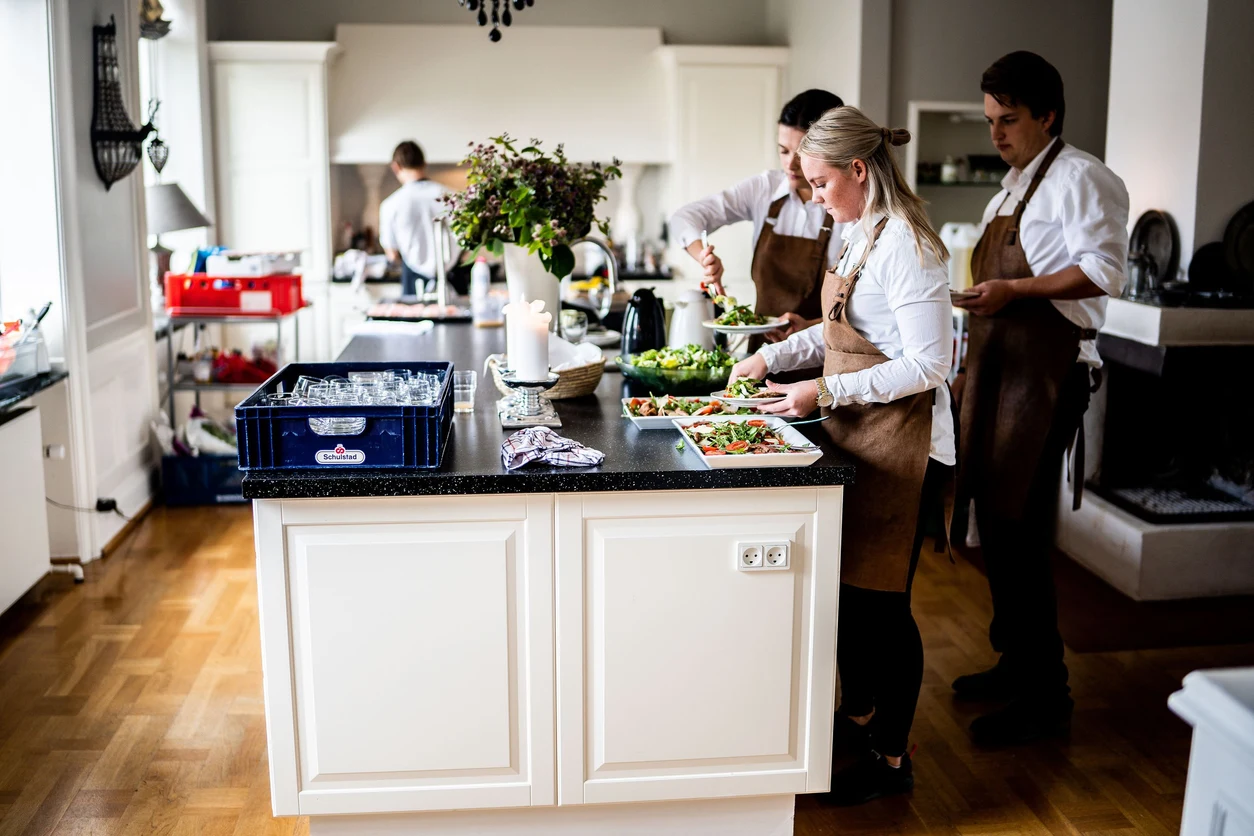
Choose one operational improvement, test it with your team and keep a clear record of what changes.
Review a service from the guest's point of view
Choose one recent service and trace the guest journey from finding your opening hours to receiving the check. Ask where someone waited without knowing what would happen next. Separate an isolated problem from something the team sees each week.
Write one specific question, such as whether pickup guests can identify the collection point without joining the dine-in queue. Observe a normal service, record the starting position and choose a small change the team can explain. Give the review an owner and a date.
Use a small set of defined measures
Match the measure to the question. A pickup change might need a clearly defined handoff-time sample; a menu review might need ingredient cost and item sales. Record the location, period, source and exclusions so the next person can repeat the calculation.
Keep a short note about closures, events, promotions and staffing changes. Compare similar services where possible. A number that moves after a change is a reason to investigate, not proof that the change caused it. Agree what would make the team keep, revise or stop the trial.
Walk the handoffs between teams
Follow an order from the person taking it to the kitchen and then to the guest. Look for repeated clarification, unclear modifiers and work that is written down in two places. Ask the people performing each handoff what information arrives too late.
Agree who communicates unavailable items and how the update reaches every relevant menu. Rehearse unusual situations in an approved training workflow. Keep the response to an unclear payment result explicit: establish the outcome through the provider's process before taking another payment.
Plan outreach around something worth returning for
Choose a real reason to invite guests back: a seasonal menu, an event or a service time they may not know about. Confirm the offer details, capacity and team briefing before preparing photographs or messages. Keep the invitation specific enough that staff can answer questions about it.
Use the channels your guests have chosen and follow your approved consent and unsubscribe processes. Set a modest test budget and a clear way to recognize the result. Review bookings or visits alongside costs and operating capacity, not just the number of people who saw a post.
Evaluate a new service channel in a small trial
For takeaway, delivery or a new service period, write down the extra work as well as the sales opportunity. Include packaging, preparation capacity, collection space, customer questions and provider responsibilities. Test a limited menu and realistic handoffs before promising a broad launch.
Keep the trial's orders and costs identifiable in your review. Confirm the exact supported connection and setup with each provider; a planning exercise does not establish that a particular ordering or delivery integration is available in Taply. Decide in advance what will pause the trial.
Use waste observations to choose a practical change
Record what is discarded, in a consistent unit, with a simple reason such as preparation loss, spoilage or an unfinished portion. Keep the record close to the work so the team can finish it during service. Look for a repeated cause before changing purchasing or portion sizes.
Take one finding into the next preparation meeting. For example, review the batch size of a frequently unsold item and agree a smaller trial. Keep food-safety procedures under the site's qualified supervision. Compare the next review with the original notes and share what the team learned.